Want to understand your readers? A customer data platform (CDP) collects customer data from multiple points (including your website, apps, CRM, and other third-party tools). It puts it together to give you a unified view of your entire customer journey.
You’ll know what your readers like, what they click on, and how they act. With that, you can send them stuff they will love to engage with, show ads that align with their preferences, and unlock revenue streams you didn’t even know you had.
The best CDPs are fast, keep your data safe, and help you cash in quickly. However, with so many choices out there, picking the right customer data platform can be overwhelming.
Don’t worry; this guide breaks down what matters most in a CDP and spotlights the best customer data platforms that check every box. Let’s dive in to gain customer insights that keep your readers happy and profits growing.
What is a Customer Data Platform?
A customer data platform (CDP) is a solution that collects, stores, and models customer data from various sources (such as websites, apps, email marketing tools, and CRMs) to create a unified customer profile.
It aims to provide a 360-degree view of your readers, giving richer insights into their behavior and preferences. As a publisher, you can use this data to personalize content, target ads, and improve customer engagement.
These use cases are the reason why the customer data platform market is expected to grow at a CAGR of 34.20% between 2025 and 2034 to become a $23.98 billion industry by 2029.

Source
What to Look for in a Customer Data Platform (CDP)
Choosing the right customer data platform (CDP) can determine how well you deliver personalized content and ads that resonate with readers while boosting revenue. As a publisher, you need a platform that unifies customer data and empowers your team to act on it effectively.
Here is a detailed breakdown of factors you should consider when choosing a customer data platform. We have added them in descending order of importance, so prioritize the top factors, as those are the most crucial.
1. Data Collection and Integration
According to a 2023 survey, 77% of users stated that a unified view of customer data is the key benefit they derive from a customer data platform.
Assess the platform’s ability to gather and unify data from multiple sources, including websites, apps, CRMs, and other third-party data sources. It should create one cohesive profile for each customer, combining third-party and first-party customer data from all sources.
This will help different teams access the same customer data, without any data silos, and have great customer interactions. We prefer a tool that provides real-time data so you can make prompt decisions.
The customer data platform you pick should integrate with your existing tech stack to standardize data collection and analysis. Choose one that provides direct integrations with popular platforms and supports third-party integrations via APIs, plug-and-play connectors, and SDKs (software development kits).
Give bonus points to tools that offer data quality features like deduplication and error handling to keep your reader profiles clean and reliable.
2. Audience Segmentation and Insights
You’ll want robust tools to slice and dice your audience based on demographics, behavior, and preferences. The best CDPs offer custom segmentation, AI-driven features like predictive analytics or lookalike modeling, and easy-to-build dashboards for visualizing trends.
Choose tools that provide granular insights into your customer journey (down to individual reader actions) for tailoring content and ads that hit the mark. This will help you create meaningful connections with your readers and empower your marketing and sales teams to drive conversions.
3. Data Privacy and Compliance
Data privacy and compliance are non-negotiable when selecting a customer data platform. Your readers’ trust and your legal standing depend on it.
Ensure the platform supports data privacy laws and regulations such as GDPR, CCPA, and ePrivacy. It should have features such as user consent management, granular opt-in tracking, and strong data anonymization through encryption or tokenization.
Remember that a customer data platform that prioritizes data governance and privacy keeps you compliant and your audience confident.
4. Monetization and Revenue Capabilities
For publishers, monetization and revenue-generation capabilities are a must. Look for a CDP that integrates with programmatic ad systems (like SSPs and DMPs), supports direct sales with premium deal tools, and powers subscription models with paywall management.
Equally important is its ability to do personalized marketing and content creation to deliver tailored articles or recommendations that keep your readers engaged and spending.
5. User Experience and Accessibility
No matter how many features a platform offers, it is practically useless to you if your team can’t use it efficiently. According to Gartner, people use only 47% of the features in their CDP, which is likely because they don’t know how to use their tools to their full potential.
That’s why you should choose a platform that’s easy to use.
Look for features like a customizable dashboard, simple navigation, and a beginner-friendly interface. Consider how intuitive and accessible the platform is for various stakeholders.
Ensure there are enough training resources for new users and a great onboarding program. The sooner your team can understand how to make the most of the platform’s data points and analytics tools, the better it will be for your publisher revenue growth.
You should prefer platforms with great collaboration features, such as multi-user workflows and role-based access. These help your editorial, marketing, ad, and data teams to work in sync and target customers with personalized content and ads.
6. Performance and Scalability
It is better to choose a platform with decent features and great performance than one overloaded with features but with poor performance. Look for tools that perform well even when your publishing stature grows.
Your customer data platform should be able to handle your growing traffic and increasing customer interaction data points without slowing down.
Prioritize low-latency real-time updates, high uptime, and reliable disaster recovery features to keep serving helpful content to your target customers.
7. Technical Support and Vendor Reliability
When choosing a customer data platform, it is important to assess vendor reputation and reliability. You don’t want to be stuck with a vendor that doesn’t provide prompt technical support.
Opt for a provider with 24/7 support, fast response times, and clear documentation. Check customer reviews and case studies to see what other publishers say about the platform and its support team.
You may prefer platforms with dedicated account managers who act as your single point of contact and provide personalized support.
8. Pricing and ROI
Finally, weigh pricing and ROI. Transparent, flexible pricing (usage-based or flat-fee) helps you budget effectively.
Look at the platform’s potential to drive revenue growth (through better ad targeting or subscriptions) versus its cost, including maintenance or add-on tools. The right CDP should pay for itself by unlocking new revenue opportunities for you.
By focusing on these factors, you’ll find a customer data platform that provides a unified customer profile for all readers and helps you analyze data to deliver personalized experiences that convert.
Top Customer Data Platforms to Grow Your Publisher Revenue
With so many customer data platforms (CDPs) vying for your attention, it is tough to know which ones truly deliver for publishers like you. That’s why we have gone hands-on, testing and rating the leading options based on the criteria discussed above.
Our firsthand evaluations will give you precise, actionable insights to help you pick a CDP that powers personalized content, ad targeting, and revenue generation.
Choose with confidence to keep your readers engaged and your profits growing.
| Platform |
Data Collection and Integration |
Audience Segmentation and Insights |
Data Privacy and Compliance |
Monetization and Revenue Capabilities |
User Experience and Accessibility |
Performance and Scalability |
Technical Support and Vendor Reliability |
Pricing and ROI |
Score |
| 1plusX |
5 |
5 |
5 |
5 |
5 |
5 |
5 |
5 |
5.0 |
| Omeda |
5 |
5 |
5 |
5 |
5 |
5 |
5 |
4 |
4.9 |
| Dotdigital |
5 |
5 |
5 |
4 |
5 |
5 |
5 |
4 |
4.8 |
| Twilio Segment |
5 |
5 |
5 |
3 |
5 |
5 |
5 |
4 |
4.7 |
| Optable |
5 |
5 |
5 |
3 |
4 |
5 |
5 |
5 |
4.6 |
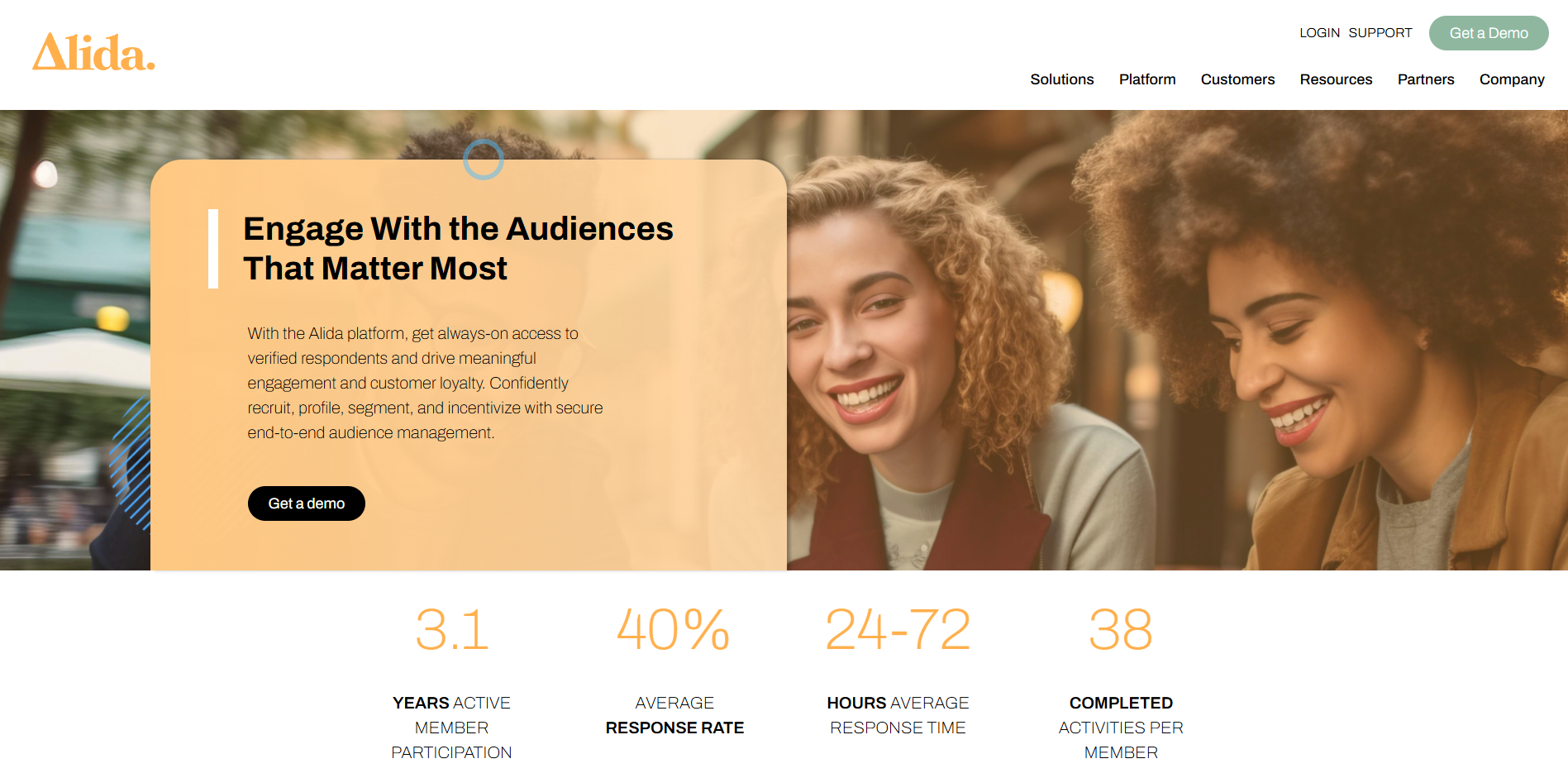
| Alida |
4 |
4 |
5 |
4 |
4 |
4 |
4 |
4 |
4.2 |
| Glide Nexa |
5 |
3 |
4 |
2 |
4 |
3 |
5 |
4 |
3.9 |
Let’s discuss each customer data platform on our list in detail.
FAQs
How are customer data management platforms (CDP) different from customer relationship management platforms (CRM)?
CDPs focus on collecting and unifying customer data from various domains and devices into a single profile. They provide a 360-degree view of your customer or reader, helping you deliver personalized customer experiences and ads.
CRMs, on the other hand, focus on managing direct customer interactions, contact information, sales, and past interactions. Sales and customer service teams leverage this data to track leads, close book/course sales, and resolve customer issues.
What are the 4 types of customer data?
The four main types of customer data include:
-
- Basic or identity data such as name, email address, and contact details
- Engagement data such as website visits, page views, time spent on articles, ad engagement, and social shares. It shows how customers interact with your content and platform.
- Behavioral data such as browsing history, search queries, and content consumption habits. This shows customer actions and patterns on your site or app.
- Attitudinal data such as opinions and feedback. You can gather it through surveys, reviews, and social mentions.
How do I choose a customer data platform?
When choosing a customer data platform, you should:
- Assess the platform’s ability to gather and unify all your customer data from multiple sources (web, app, CRM, and third-party data). It should also identify and eliminate duplication and errors.
- Look for tools with audience analysis and segmentation capabilities based on customer behavior, demographics, and preferences. It should be easy to visualize data in intuitive dashboards and reports.
- Ensure the CDP solutions you select comply with global data privacy and protection regulations (such as GDPR, CCPA, and ePrivacy).
- The right customer data platform will offer content monetization and revenue generation features for publishers, including integration with SSPs, DMPs, and ad exchanges. It should also offer content personalization capabilities.
- Consider how intuitive and accessible the platform is. Also, take note of the available training resources and team collaboration features to determine its ease of use.
- Ensure the platform can handle high volumes of data and traffic while providing real-time updates. Check out its uptime reports to ensure it is a reliable solution.
- Evaluate support services and channels, help documentation, and the platform’s industry reputation.
Last but not least, assess the pricing structure of the platform you like. Consider all hidden costs, maintenance expenses, and required third-party tools to ensure the CDP fits your budget.