SODP logo

    15 Best Content Syndication Platforms in 2025

    Content, once published online, rarely remains rooted in the same spot. It goes through an entire lifecycle of being published, shared, updated, and, in many cases, being republished via content…
    Updated On: December 1, 2025
    Thomas Bellink

    Created By

    Thomas Bellink

    Vahe Arabian

    Fact Checked By

    Vahe Arabian

    Dakshita

    Edited By

    Dakshita

    Top Picks

    Disclaimer: Our top picks are based on our editors’ independent research, analysis, and/or hands-on testing.

    ★★★★☆

    Outbrain

    Key Features
    AI-driven personalized recommendations, native ad server, and real-time reporting for publishers.
    ★★★★☆

    Taboola

    Key Features
    AI-powered personalization, diverse ad formats, and exclusive distribution network for traffic.
    ★★★★

    Dianomi

    Key Features
    Contextual native ads, display formats, and optimized campaign targeting for premium publishers.
    ★★★☆

    LinkedIn Publishing

    Key Features
    Professional reach through articles, SEO settings, newsletters, and multimedia embeds.
    ★★★☆

    Substack

    Key Features
    Direct-to-reader publishing with email list growth, paid subscriptions, and multimedia support.
    ★★★☆

    Flatplan

    Key Features
    Converts content into fast, formatted Apple News stories with audience insights and reporting.
    ★★★☆

    Avid Collective

    Key Features
    Publisher suite with workflow automation, branded content scaling, and sales enablement.
    ★★★☆

    Google News

    Key Features
    Publisher Center enables curated news packages, analytics, and revenue manager integration.
    ★★★☆

    Medium

    Key Features
    Open platform with clean interface, recommendation engine, and publication tools for exposure.
    ★★★☆

    Reddit

    Key Features
    Niche subreddit engagement, brand pages, AI insights, and Pro publishing tools for targeted reach.
    ★★★☆

    Stacker

    Key Features
    Ready-to-use evergreen and trending stories with RSS, SMS, and one-click publishing tools.
    ★★★☆

    Quora

    Key Features
    Build authority by sharing answers, insights, and campaigns with measurable engagement tracking.
    ★★★☆

    SimpleFeed

    Key Features
    Automates content to Apple News, MSN, SmartNews, and more with real-time analytics.
    ★★★☆

    Flipboard

    Key Features
    Curated magazine-style layout with community-driven sharing to expand reach and engagement.
    ★★☆

    Quuu Promote

    Key Features
    Drives social shares across 500+ niches via human sharing with performance reporting.

    Ask ChatGPT

    Content, once published online, rarely remains rooted in the same spot. It goes through an entire lifecycle of being published, shared, updated, and, in many cases, being republished via content syndication platforms.

    For both publishers and content creators, syndicating content can be a daunting prospect. It isn’t just about republishing; it’s a strategic amplifier for digital publishers that helps distribute your content to gain wider visibility, attract new readers, and build authority in your niche.

    However, the path is not without its hurdles. Duplicate content risks penalties from Google and it might also get difficult to maintain brand control. Despite the risks, syndicated content is still a strategy worth pursuing, given the potential audience traffic and lead generation upside, as long as publishers minimize the risk.

    For those just beginning to explore this space, check out our detailed guide on content syndication SEO to understand more about the process and its benefits and pitfalls.

    In this article, we introduce you to content syndication platforms designed specifically for publishers. We’ll explore how these tools can help you overcome the challenges and unlock opportunities for audience growth, increased traffic, and improved search engine performance.

    What is a Content Syndication Platform?

    A content syndication platform is a tool that enables the distribution of content across multiple platforms. It is a crucial component of a content syndication strategy, allowing publishers to amplify their reach by distributing their content to various third-party platforms. These platforms typically specialize in content syndication marketing and offer a range of features such as scheduling, tracking, and reporting.

    Content syndication platforms typically support different types of content such as articles, videos, infographics, and other visual content.

    Some of the most popular content syndication platforms include Flipboard, SimpleFeed, Medium, and Stacker. By using a content syndication platform, publishers can increase their exposure while maintaining control over their brand messaging and content quality.

    Why is Content Syndication Important?

    Content syndication is an increasingly important growth tool for publishers, given that it can both boost content engagement as well as SEO performance through backlink generation.

    Indeed, the content syndication market’s value is projected to grow from $4.5 billion in 2020 to $5.3 billion in 2027.

    Content syndication networks provide a way for existing content, especially evergreen content, to be reused in another space, saving time, money, and effort. As this content is distributed to new places, it provides a chance to gain more traffic as audiences follow the content trail from the third-party site to the original publishers.

    Another major benefit of content syndication is that small publishers can piggyback on the authority and reach of larger publishers who choose to republish their content. However, sometimes the reverse can also come true. If the content ends up on a site less reputable than the original, then the content may come to be viewed as less trustworthy.

    What to Look for in a Content Syndication Platform

    There are several factors you should consider when choosing a platform. Let’s cover 12 of the most important ones.

    1. Platform Reach and Audience

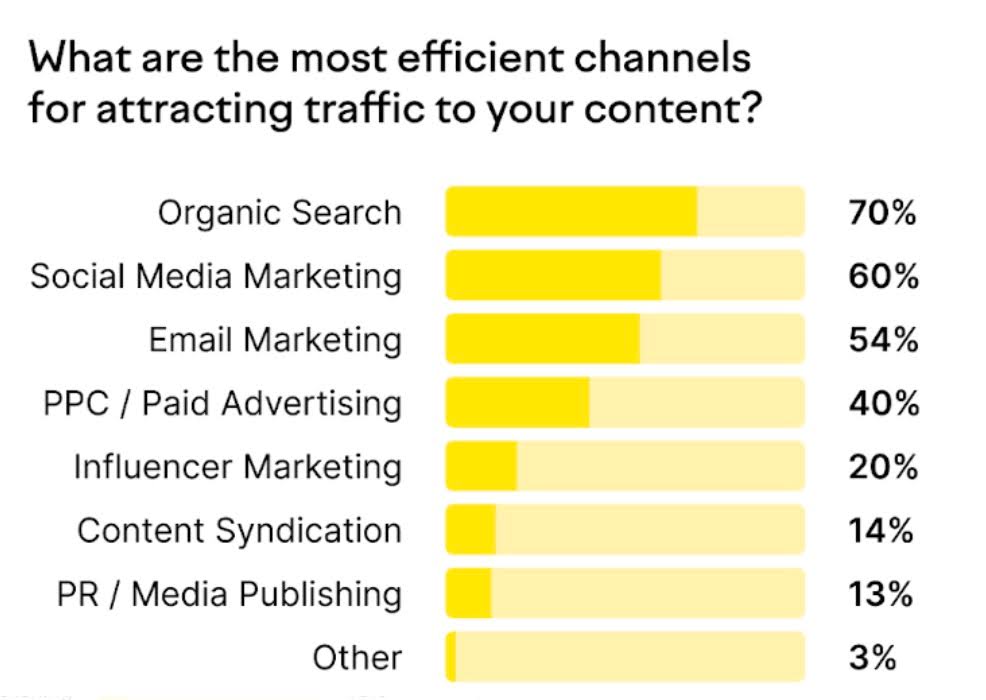
    Since content syndication aims to reach more people, this is the most important factor you should consider. According to Semrush, many people use content syndication to attract more traffic to their content.
    Platform Reach and Audience

    Source

    But look beyond the size of a platform’s audience and see its audience demographics and whether it matches your target audience.

    Also, consider whether a platform can help you reach people in specific geographies. Lastly, choose platforms you can access via desktop, mobile, and other devices.

    2. Content Distribution and Visibility

    Another important thing to consider is how big a platform’s distribution network is. Assess the breadth and quality of partner sites where the content will appear.

    Look for options to control where and how your content is displayed (e.g., native ads, widgets, or standalone articles).

    Make sure you choose a platform that features your content prominently instead of burying it within larger feeds.

    3. Targeting Capabilities

    Look for platforms that can help you segment your audience based on demographics, behavior, interests, or psychographics. The more advanced targeting options a content network offers, the more qualified leads you will attract.

    Good content syndication networks also offer personalization capabilities like dynamic content recommendations based on user behavior or preferences.

    If you can find a platform that allows you to set up custom campaigns, then prioritize it over other options.

    4. Content Performance Analytics

    If you don’t want to struggle with measuring your content’s performance, look for platforms that provide in-depth performance analytics. Look for metrics like impressions, clicks, engagement rate, dwell time, and conversions.

    Platforms that offer real-time analytics are even better. You may prefer platforms that support multi-touch attribution or other advanced attribution models.

    5. Integration and Compatibility

    The content syndication network you choose should integrate with your content management system to create a smooth workflow.

    Additionally, check for compatibility with third-party tools like Google Analytics, Adobe Analytics, or custom dashboards.

    If a platform offers APIs for programmatic syndication or data extraction, then that’s even better.

    6. Revenue Potential

    When choosing a content syndication platform, you should look for the monetization options it provides. This includes revenue share models, sponsored content opportunities, or other monetization avenues.

    If a platform provides ROI tracking, then that’s an added advantage.

    Since your revenue potential will be affected by the platform’s costs, choose one with transparent pricing. Prefer ones with clear pricing plans and no hidden fees or commission splits.

    7. Platform Usability

    Even the best platform is a waste if you don’t know how to utilize it to its full potential. That’s why ease of use is a key consideration when choosing among the best content syndication platforms.

    The platforms that are easiest to use are the ones that can automate content syndication based on predefined rules. Give priority to platforms that offer great onboarding and self-help learning resources, along with great customer support options.

    8. Compliance and Brand Safety

    Sometimes, using the wrong syndication platform can do more harm than good, especially if it has no content moderation features.

    Therefore, ensure that you select one that takes proactive measures to prevent click fraud, bot traffic, or invalid engagements. Many platforms also ensure that your content will only be published on safe websites.

    To determine the safety of a platform, look for claims that it complies with the GDPR, CCPA, and other relevant local data privacy laws.

    9. Cost-Effectiveness

    Syndication platforms offer various pricing models, including cost-per-click, cost-per-mile, and fixed pricing. Compare the costs of each and choose a platform that offers the best value for your specific needs.

    Also, assess how much flexibility a platform offers in terms of plan changes and pausing campaigns, if needed.

    10. User Engagement and Conversion

    When you syndicate your content on different channels, you should always track how much engagement your content gets. That’s why tracking engagement metrics like average CTR and time on site is important. 

    It will tell you if a platform is delivering on its claims or if you need to switch or change your strategy.

    Look for platforms that claim to deliver high-quality leads and offer retargeting options to target users who engaged with your syndicated content.

    11. Reporting and Optimization Tools

    Adding to the previous point, while analytics is important, so is reporting. Look for an option that allows you to create customized reports with metrics that matter most to your business.

    Better yet, choose a platform that provides recommendations and A/B testing for improving content performance.

    12. Reputation and Reviews

    Before you invest in any platform, read what its existing users say about it. Go to trustworthy review sites and read customer reviews, and assess the platform’s reputation.
    Another aspect worth considering is the frequency of updates and new feature releases. A high frequency shows that the platform is continually getting better over time.

    List of Content Syndication Platforms for Publishers

    Our ratings for the content syndication platforms are as follows for different checkpoints:

    Tool/Platform Platform Reach and Audience Content Distribution and Visibility Targeting Capabilities Content Performance Analytics Integration and Compatibility Revenue Potential Platform Usability Compliance and Brand Safety Cost Effectiveness User Engagement and Conversion Reporting and Optimization Tools Reputation and Reviews Weighted Score
    Outbrain 4 4 4 4 4 4 4 4 4 4 5 5 4.1
    Taboola 4 4 4 4 4 4 4 4 4 4 5 5 4.1
    Dianomi 3 5 4 5 4 3 4 5 4 3 5 5 4.0
    LinkedIn Publishing 5 3 3 2 2 3 4 5 4 5 3 5 3.7
    Substack 3 2 2 2 2 5 5 5 5 5 2 5 3.7
    Flatplan 3 4 3 4 4 4 4 4 4 3 3 5 3.7
    Avid Collective 3 4 4 3 3 5 3 4 5 3 2 4 3.6
    Google News 5 4 2 2 3 1 5 5 5 5 2 5 3.6
    Medium 4 3 2 2 2 2 5 5 5 5 2 5 3.5
    Reddit 5 3 5 3 3 3 3 2 4 4 3 3 3.5
    Stacker 3 4 3 3 3 4 3 4 5 3 2 4 3.4
    Quora 4 3 2 2 2 3 4 4 4 3 3 4 3.2
    SimpleFeed 2 3 3 3 5 4 3 4 4 2 3 4 3.2
    Flipboard 4 3 2 2 2 1 4 4 5 5 2 4 3.1
    Quuu Promote 3 2 3 2 2 1 4 4 4 3 2 3 2.6

    1

    Outbrain

    ★ 4.2

    Outbrain

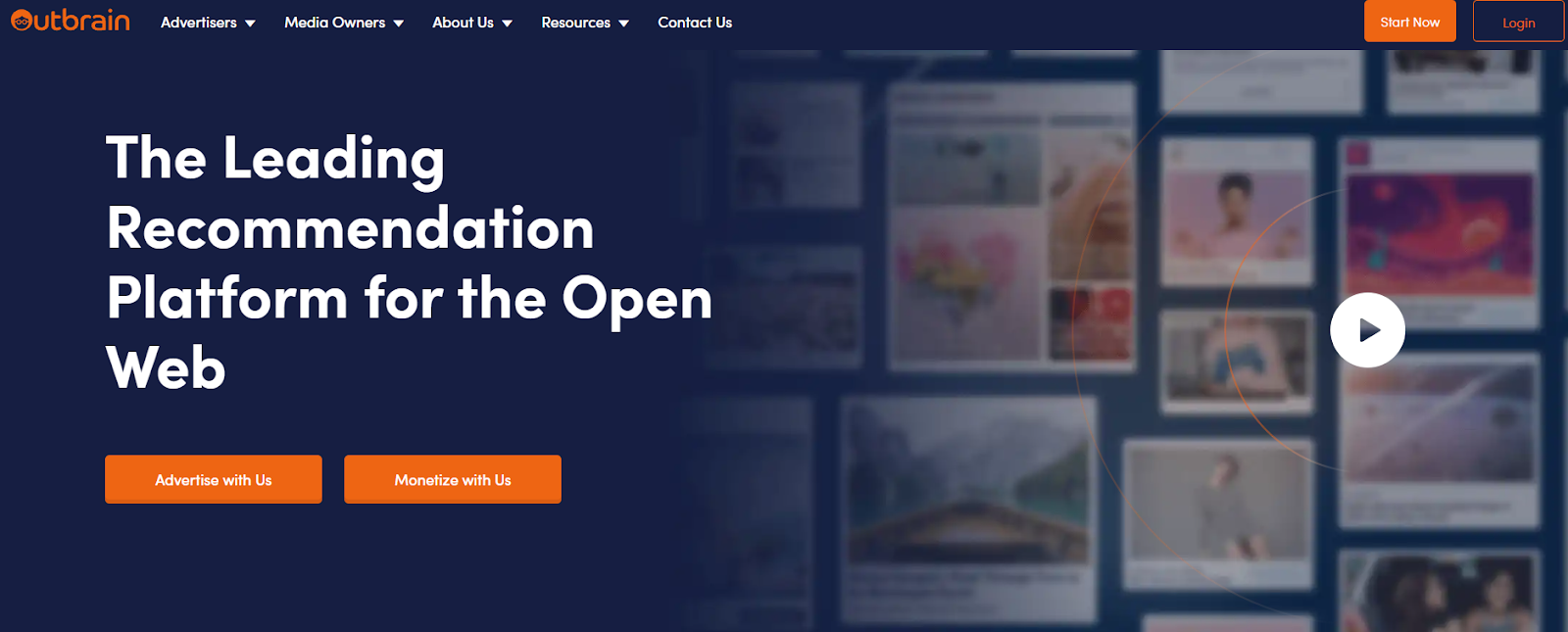
    Outbrain provides a customizable, dynamic recommendation experience tailored to engage your audience and optimized for your brand goals. With its broad, non-interruptive Smartad format, you can maximize your revenues and user interests.

    What’s more, you can capitalize on the feed for your commercial initiatives.

    Want an automated content filtering tool at your fingertips? Outbrain gives you that and more. Its Smartlogic delivers a unique recommendation experience for each user every time.

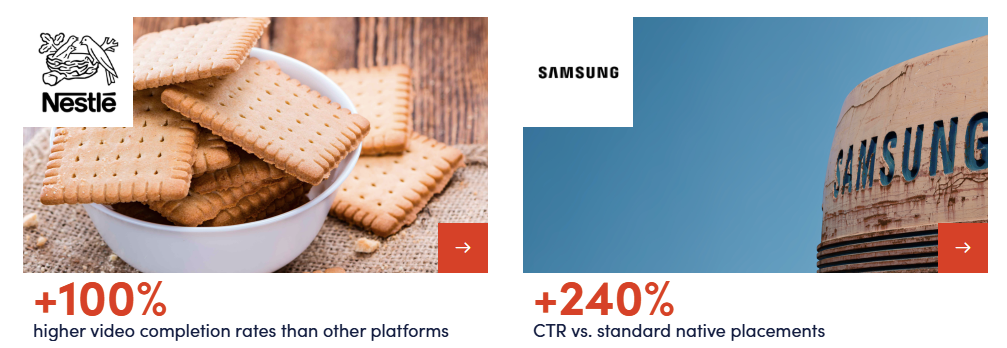
    Outbrain’s success stories for prominent brands tell it all.

    Outbrain

    Of course, you can customize your engagement approach based on audience segments. Plus, its Native Ad Server empowers your native sales team.

    Its real-time reporting API and network security solution set Outbrain on edge—a plus for publishers.

    Our rating: ★★★★☆ 4.1

    What We Love About Outbrain

    • AI and machine learning to deliver personalized content recommendations

    Where There’s Room for Improvement

    • Could do better with improved transparency in content labeling

    Platform Reach and Audience
    4

    Content Distribution and Visibility
    4

    Targeting Capabilities
    4

    Content Performance Analytics
    4

    Integration and Compatibility
    4

    Revenue Potential
    4

    Platform Usability
    4

    Compliance and Brand Safety
    4

    Cost Effectiveness
    4

    User Engagement and Conversion
    4

    Reporting and Optimization Tools
    5

    Reputation and Reviews
    5

    0
    0.5
    1
    1.5
    2
    2.5
    3
    3.5
    4
    4.5
    5

    2

    Taboola

    ★ 4.2

    Taboola

    Taboola combines web performance and personalization AI to deliver programmatic display and native ad revenue beyond article placement. It also matches users with relevant ads for maximum ad results.

    Taboola

    Taboola promises to increase your traffic by over 10% with targeted personalization, leading users on more engaging journeys.

    Plus, you can reach new audiences through exclusive distribution channels and encourage return visitors via personalized push buttons.

    Of course, you get access to distinct readership data and actionable insights. Its dedicated support staff keeps you in the loop to steer your ongoing growth.

    Our rating: ★★★★☆ 4.1

    What We Love About Taboola

    • Personalized content recommendations
    • Diverse monetization opportunities

    Where There’s Room for Improvement

    • Could do better with built-in tools for editorial analytics and A/B testing

    Platform Reach and Audience
    4

    Content Distribution and Visibility
    4

    Targeting Capabilities
    4

    Content Performance Analytics
    4

    Integration and Compatibility
    4

    Revenue Potential
    4

    Platform Usability
    4

    Compliance and Brand Safety
    4

    Cost Effectiveness
    4

    User Engagement and Conversion
    4

    Reporting and Optimization Tools
    5

    Reputation and Reviews
    5

    0
    0.5
    1
    1.5
    2
    2.5
    3
    3.5
    4
    4.5
    5

    3

    Dianomi

    ★ 4.2

    Dianomi

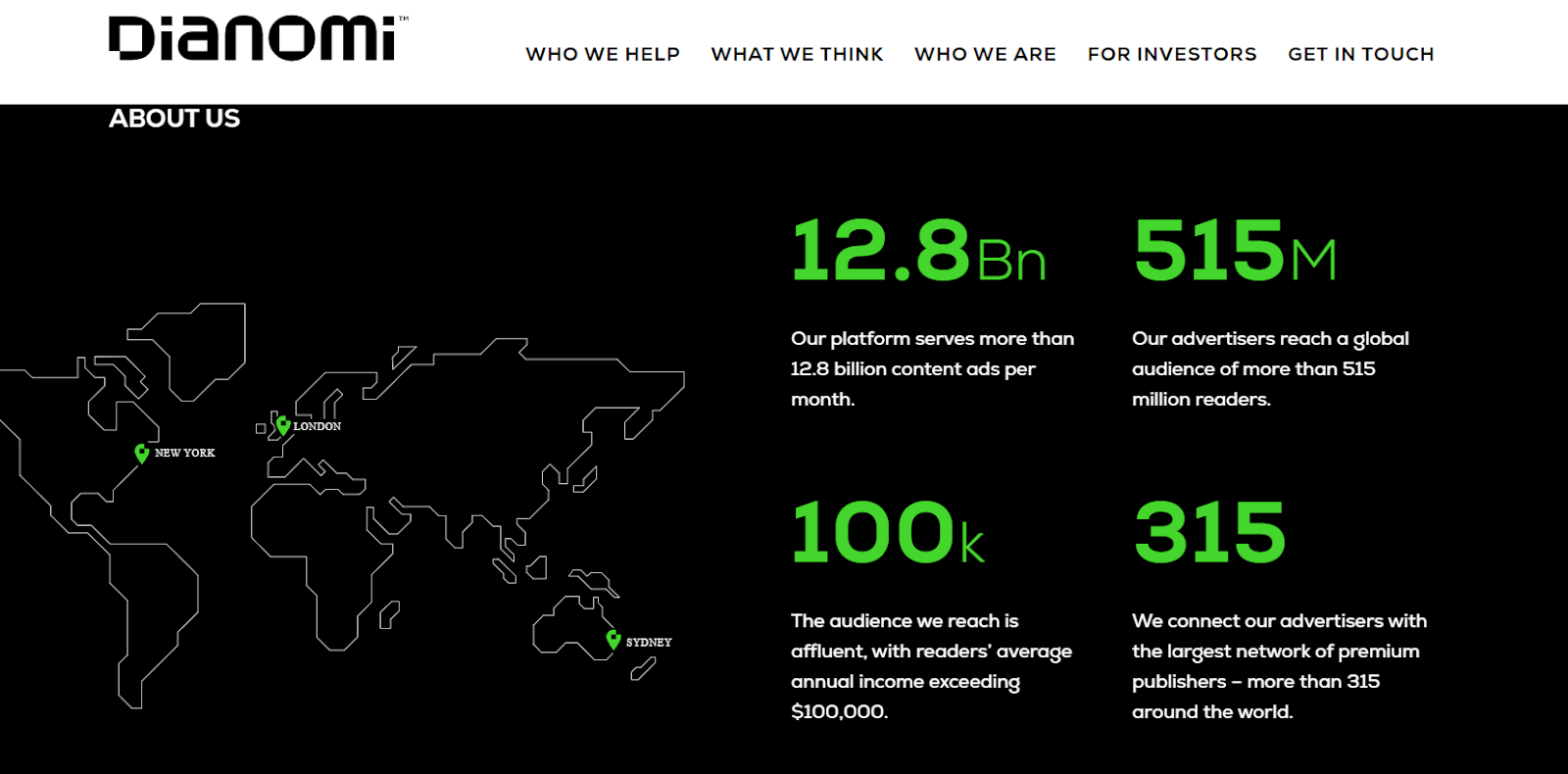
    Dianomi is a contextual ad platform that helps premium publishers grow page yield and maximize revenue via direct-sold performance and campaigns. It offers a wide range of display and native ad formats and lets you integrate promotional video and podcast elements.

    contextual ad platform

    Even better, you can maximize the value of your inventory at scale without compromising the competitive advantage of first-party and operated data.

    You also enjoy Dianomi’s proprietary algorithm, which optimizes campaign targeting to content pages based on the leading engagement metrics.

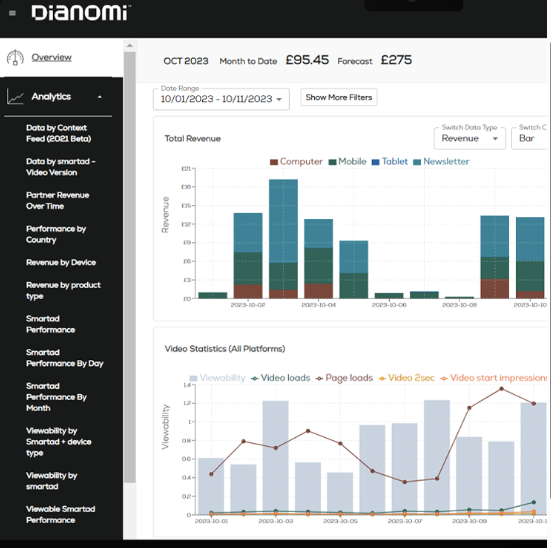
    The Dianomi Dashboard lets you view relevant reporting metrics, including revenue delivered and performance to date.

    The Dianomi Dashboard

    Our rating: ★★★★ 4.0

    What We Love About Dianomi

    • Supports a range of ad formats, including display, native, video, and podcast integrations

    Where There’s Room for Improvement

    • Could do better with improving integration across a broader range of publishing platforms

    Platform Reach and Audience
    3

    Content Distribution and Visibility
    5

    Targeting Capabilities
    4

    Content Performance Analytics
    5

    Integration and Compatibility
    4

    Revenue Potential
    3

    Platform Usability
    4

    Compliance and Brand Safety
    5

    Cost Effectiveness
    4

    User Engagement and Conversion
    3

    Reporting and Optimization Tools
    5

    Reputation and Reviews
    5

    0
    0.5
    1
    1.5
    2
    2.5
    3
    3.5
    4
    4.5
    5

    4

    LinkedIn Publishing

    ★ 3.7

    LinkedIn Publishing

    The platform lets you write, edit, and share articles on LinkedIn. You can add multimedia elements, like images, tweets, or video URLs, anywhere in your article. A more excellent perk is the ability to embed content within your article.

    Another platform upside is that it supports several third-party content. However, you must credit the source.

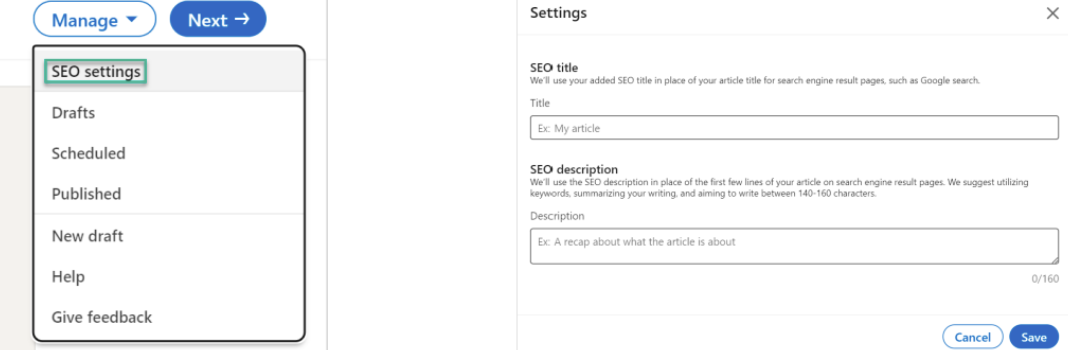
    Its SEO settings allow you to customize SEO for your article or newsletter titles and descriptions. This makes it easier for users to find your content.

    SEO settings allow you to customize SEO for your article or newsletter titles and descriptions.

    One standout feature is that the platform allows you to manage a newsletter and send updates to members every time you publish one.

    Our rating: ★★★☆ 3.7

    What We Love About LinkedIn Publishing

    • Professional audience reach
    • Strong personal branding

    Where There’s Room for Improvement

    • Could do better with organic reach for articles, which is often overshadowed by shorter feed posts.

    Platform Reach and Audience
    5

    Content Distribution and Visibility
    3

    Targeting Capabilities
    3

    Content Performance Analytics
    2

    Integration and Compatibility
    2

    Revenue Potential
    3

    Platform Usability
    4

    Compliance and Brand Safety
    5

    Cost Effectiveness
    4

    User Engagement and Conversion
    5

    Reporting and Optimization Tools
    3

    Reputation and Reviews
    5

    0
    0.5
    1
    1.5
    2
    2.5
    3
    3.5
    4
    4.5
    5

    5

    Substack

    ★ 3.6

    Substack

    Substack offers precise targeting since writers speak to their most passionate readers with already expressed interest in their publications.

    The beauty of this platform is that you own the proprietary and are free to take it with you if you choose to leave the platform.

    Did you know readers become your best promoters? They share emails and posts, resulting in a continuously expanding email list.

    You don’t need any tech expertise to set up a Substack. Even the most Luddite writer can do it.

    You can also upload an existing mailing list and add your book links.

    If you turn on a paid subscription, Substack takes 10% of the revenue. The billing? Leave that to the support staff so you can focus on your best writing.

    Our rating: ★★★☆ 3.7

    What We Love About Substack

    • Direct-to-subscriber model
    • Multimedia support

    Where There’s Room for Improvement

    • Could do better with advanced content discovery features

    Platform Reach and Audience
    3

    Content Distribution and Visibility
    2

    Targeting Capabilities
    2

    Content Performance Analytics
    2

    Integration and Compatibility
    2

    Revenue Potential
    5

    Platform Usability
    5

    Compliance and Brand Safety
    5

    Cost Effectiveness
    5

    User Engagement and Conversion
    5

    Reporting and Optimization Tools
    2

    Reputation and Reviews
    5

    0
    0.5
    1
    1.5
    2
    2.5
    3
    3.5
    4
    4.5
    5

    6

    Flatplan

    ★ 3.8

    Flatplan

    FlatPlan is a paid content syndication platform that lets you distribute content on Apple News and Apple News+ and reach approximately 145 million active readers.

    You can publish content to your own site like you normally do, and FlatPlan will automatically turn it into beautifully formatted, fast-loading stories that appear directly in Apple News. 

    So, your team doesn’t need to put in any extra effort as it will work in the background and grow your audience, without hassle. It’s a no-code solution that works with any content management system (CMS).

    The setup is quite easy, and the platform takes care of everything from formatting to publishing. So, your team can stay focused on what they do best: creating great content

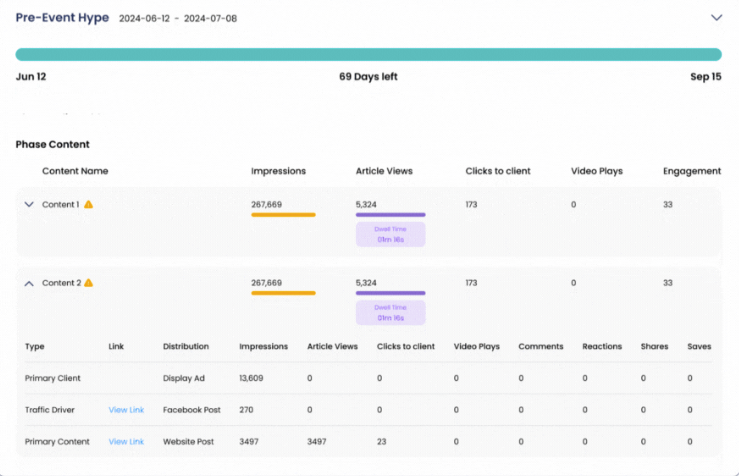
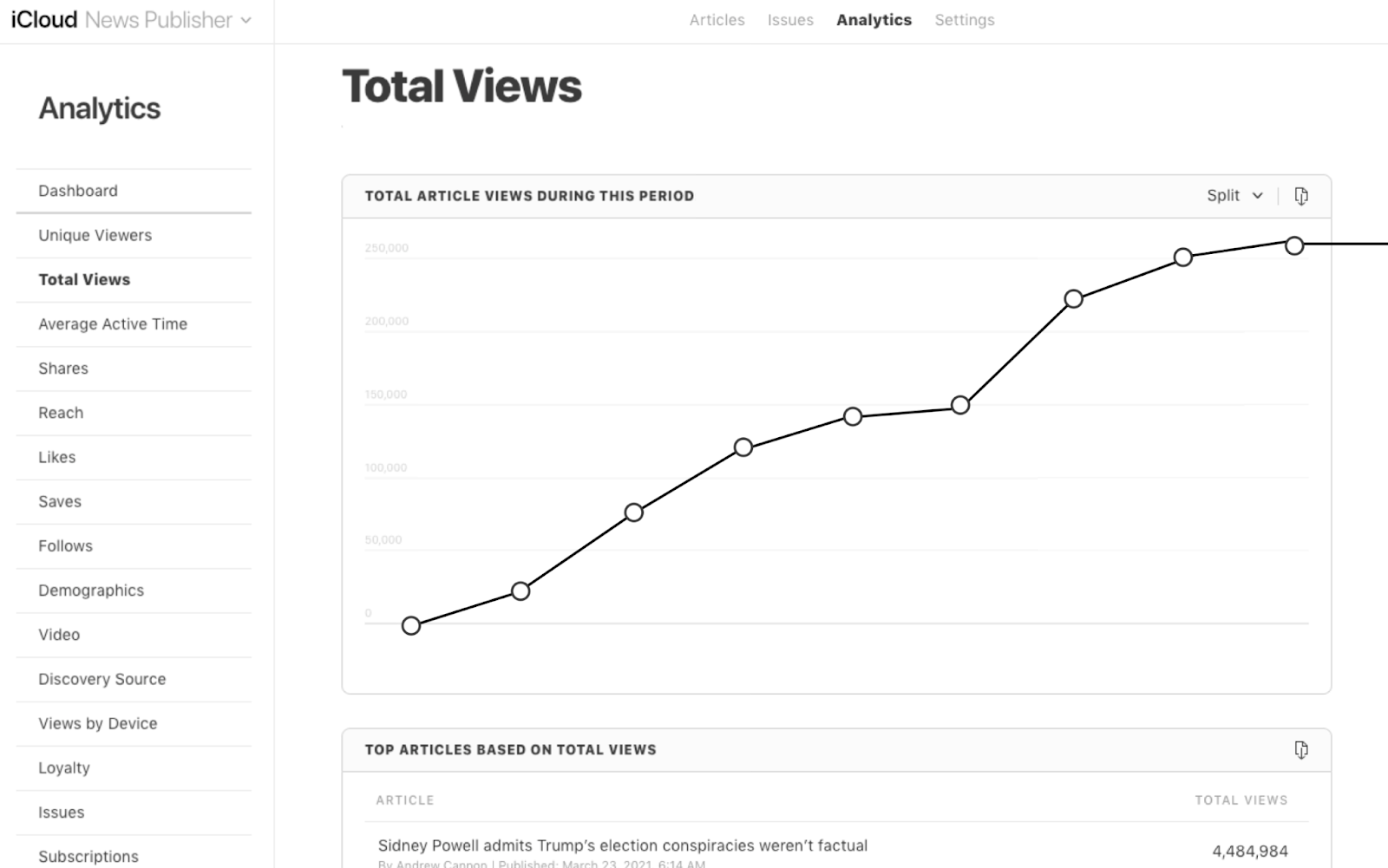
    FlatPlan’s reporting tools provide insight into reach, reader behavior, and monetization performance, giving you clear visibility into your content’s off-site impact.

    FlatPlan’s reporting tools

    Source

    Our rating: ★★★☆ 3.7

    What We Love About FlatPlan

    • Unlocks new audiences and revenue on Apple News without extra work

    Where There’s Room for Improvement

    • Limited reach as it doesn’t distribute content beyond a couple of channels

    Platform Reach and Audience
    3

    Content Distribution and Visibility
    4

    Targeting Capabilities
    3

    Content Performance Analytics
    4

    Integration and Compatibility
    4

    Revenue Potential
    4

    Platform Usability
    4

    Compliance and Brand Safety
    4

    Cost Effectiveness
    4

    User Engagement and Conversion
    3

    Reporting and Optimization Tools
    3

    Reputation and Reviews
    5

    0
    0.5
    1
    1.5
    2
    2.5
    3
    3.5
    4
    4.5
    5

    7

    Avid Collective

    ★ 3.6

    Avid Collective

    Avid Pubsuite helps publishers shrink management time by 60%, boost audience experience, increase ad demand, and maximize branded content revenue.

    Its automated workflows accelerate approvals, reduce admin time, and promote smooth content management from briefing to execution. You can schedule, review content plans, and publish on a single dashboard.
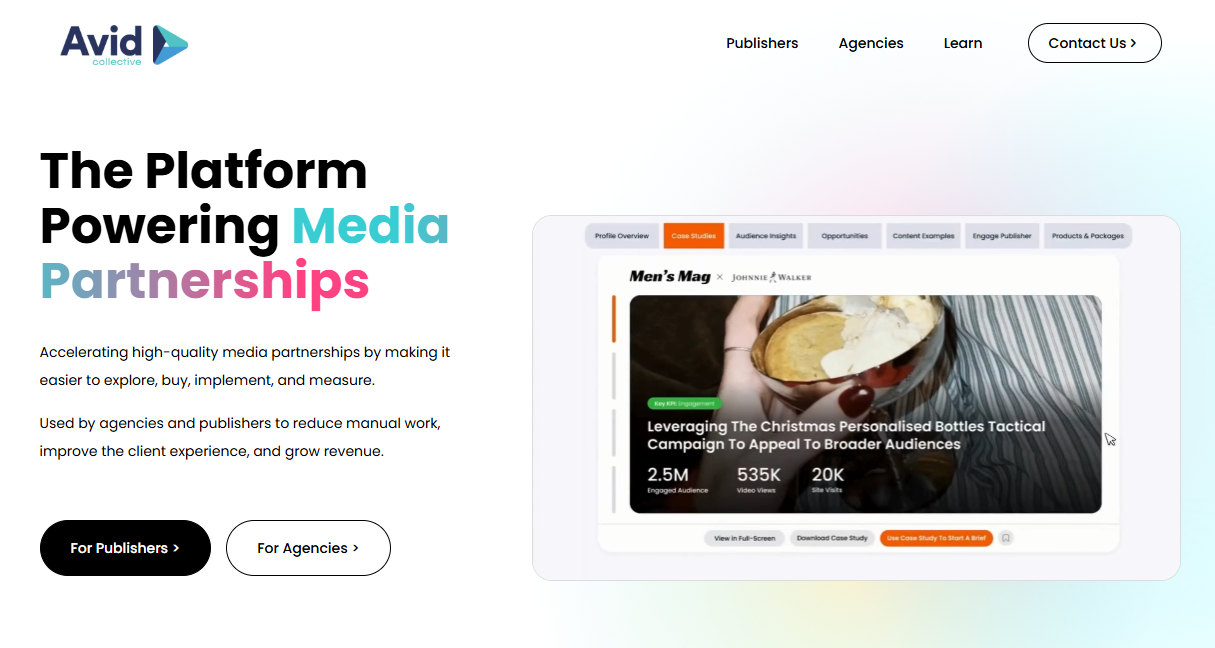
    automated workflows

    Better yet, the AmpPlus lets you increase deal size via multi-channel amplification. 

    Audience Targeting

    Plus, you get faster reports with stronger insights.
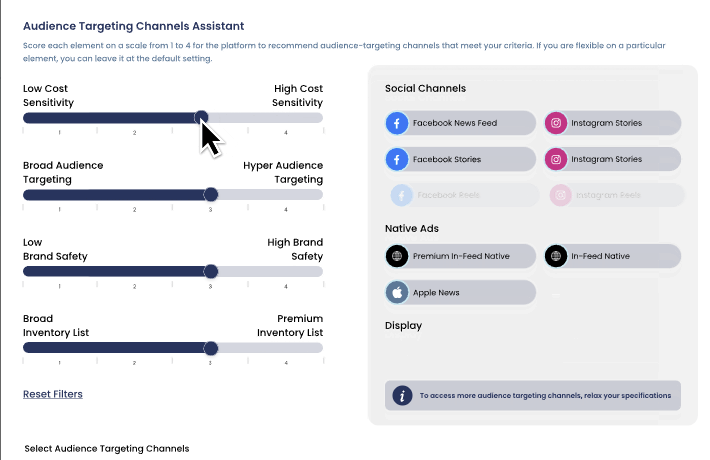
    faster reports with stronger insights

    The perk? Avid Collective allows you access to your virtual salespeople, a centralized portal that displays your brand with key sales data and opportunities.

    key sales data and opportunities

    What We Love about Avid Collective

    • Comprehensive publisher suite
    • Scalable native content campaigns

    Where There’s Room for Improvement

    • Could do better with self-serve options for smaller publishers

    Platform Reach and Audience
    3

    Content Distribution and Visibility
    4

    Targeting Capabilities
    4

    Content Performance Analytics
    3

    Integration and Compatibility
    3

    Revenue Potential
    5

    Platform Usability
    3

    Compliance and Brand Safety
    4

    Cost Effectiveness
    5

    User Engagement and Conversion
    3

    Reporting and Optimization Tools
    2

    Reputation and Reviews
    4

    0
    0.5
    1
    1.5
    2
    2.5
    3
    3.5
    4
    4.5
    5

    8

    Google News

    ★ 3.7

    Google News

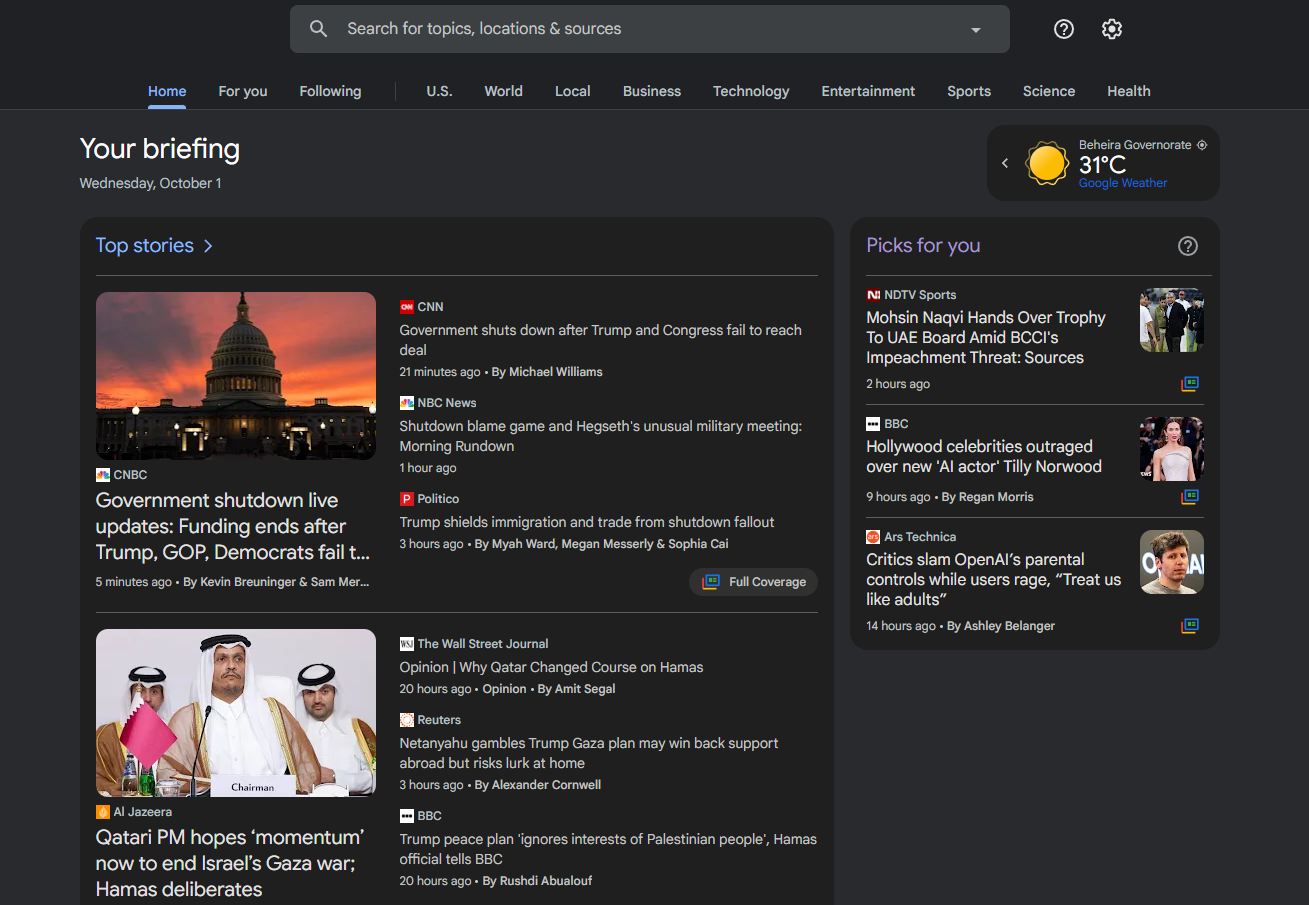
    Google Publisher Center allows publishers to curate quality journalism for an improved news experience, benefiting readers and publishers. As a participating publisher, you can uniquely package stories that appear in Google’s news products, Current News, and Discover.

    A major plus is that you can create or use an existing content section to test significant changes to your publication. This way, you can preview and interact with it like readers do.

    You can also submit new content labels to highlight particular types of content to users. But your content must adhere to Google’s best practices for article pages and not violate its content, spam, and features search policies.

    The Content Access tab lets you set up your access strategy, explore readers’ experiences, and customize CTA.

    The best part? You can track your content performance based on how it appears in Google News. Locate the HTTP referrer to differentiate traffic from Google News from the rest of your traffic. Use your on-page analytics to further analyze your standard HTM and AMP articles.

    You can also set up customized email templates to promote deeper audience connections and reiterate your value proposition. Of course, you can export subscriber data directly from the Publisher Center.

    Do you value a rewarded ad unit? Google News lets you configure that as part of your Reader revenue manager content access controls.

    Our rating: ★★★☆ 3.6

    What We Love About Google News

    • Intuitive interface for submitting and managing content 
    • Smoothly integrates with Reader Revenue Manager

    Where There’s Room for Improvement

    • Could do better with advanced analytics capabilities for deeper insights into content performance and audience engagement.

    Platform Reach and Audience
    5

    Content Distribution and Visibility
    4

    Targeting Capabilities
    2

    Content Performance Analytics
    2

    Integration and Compatibility
    3

    Revenue Potential
    1

    Platform Usability
    5

    Compliance and Brand Safety
    5

    Cost Effectiveness
    5

    User Engagement and Conversion
    5

    Reporting and Optimization Tools
    2

    Reputation and Reviews
    5

    0
    0.5
    1
    1.5
    2
    2.5
    3
    3.5
    4
    4.5
    5

    9

    Medium

    ★ 3.5

    Medium

    Medium is an open platform for publishers to share their knowledge with the world without first building a mailing list or a following. The platform is ideal for publishers to collaborate with others, create a custom domain for their profile, and utilize its publishing tools.

    You can import your content from anywhere on the web, edit it, and add a link to the original content.

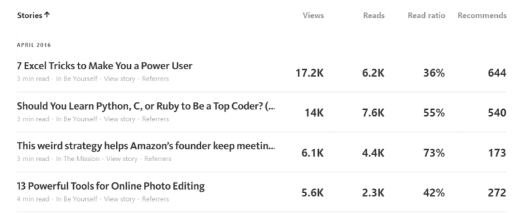
    Of course, Medium lets you know your audience metrics, like views, reads, and recommendations.

    Medium lets you know your audience metrics, like views, reads, and recommendations

    With consistent publishing, you can hit a home run and get an offer to syndicate one of your posts by popular sites like Business Insider or New York Observer.

    Besides, you can also start your publication to gain greater exposure.

    Our rating: ★★★☆ 3.6

    What We Love About Medium

    • Clean, distraction-free reading experience 
    • Internal recommendation engine to surface content to relevant readers

    Where There’s Room for Improvement

    • Could do better with traffic ownership and lead generation

    Platform Reach and Audience
    4

    Content Distribution and Visibility
    3

    Targeting Capabilities
    2

    Content Performance Analytics
    2

    Integration and Compatibility
    2

    Revenue Potential
    2

    Platform Usability
    5

    Compliance and Brand Safety
    5

    Cost Effectiveness
    5

    User Engagement and Conversion
    5

    Reporting and Optimization Tools
    2

    Reputation and Reviews
    5

    0
    0.5
    1
    1.5
    2
    2.5
    3
    3.5
    4
    4.5
    5

    10

    Reddit

    ★ 3.4

    Reddit

    Reddit ranks second in the social media network category and sixth globally, with 3.4 billion visits at the time of this article. This is a goldmine for publishers to capitalize on to market, promote, and build a community around their brand.

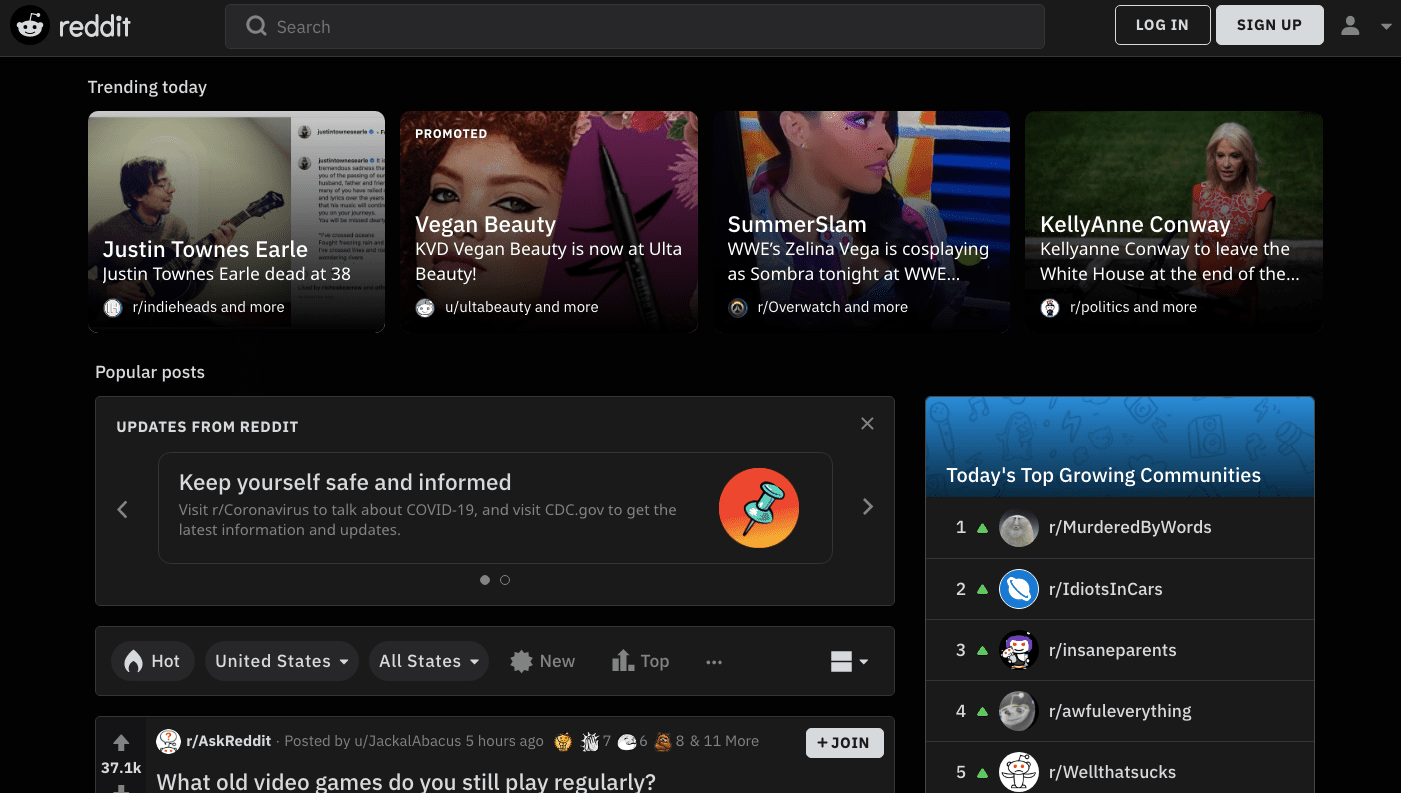
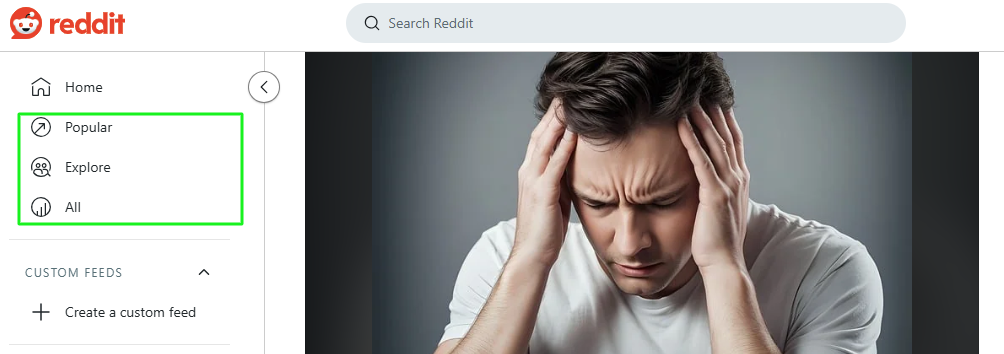
    The platform lets you monitor discussions within different subreddits to understand what’s popular, trending, and capturing the target audience’s attention.

    The platform lets you monitor discussions within different subreddits

    You can create a brand profile page and publish content directly to your dedicated spaces. The Embed Tool also makes it easier to display Reddit content on your CMS.

    With Reddit Pro, you can get AI-powered insights, performance analytics, and publishing tools for drafting and scheduling posts.

    Reddit Dashboard

    You can also participate in subreddits related to your niche to build a sense of community and engage with your potential audience.

    Our rating: ★★★☆ 3.5

    What We Love About Reddit

    • Highly targeted and engaged communities
    • Helps build authority and spark honest conversations

    Where There’s Room for Improvement

    • Could do better with supporting long-term content visibility

    Platform Reach and Audience
    5

    Content Distribution and Visibility
    3

    Targeting Capabilities
    5

    Content Performance Analytics
    3

    Integration and Compatibility
    3

    Revenue Potential
    3

    Platform Usability
    3

    Compliance and Brand Safety
    2

    Cost Effectiveness
    4

    User Engagement and Conversion
    4

    Reporting and Optimization Tools
    3

    Reputation and Reviews
    3

    0
    0.5
    1
    1.5
    2
    2.5
    3
    3.5
    4
    4.5
    5

    11

    Stacker

    ★ 3.4

    Stacker

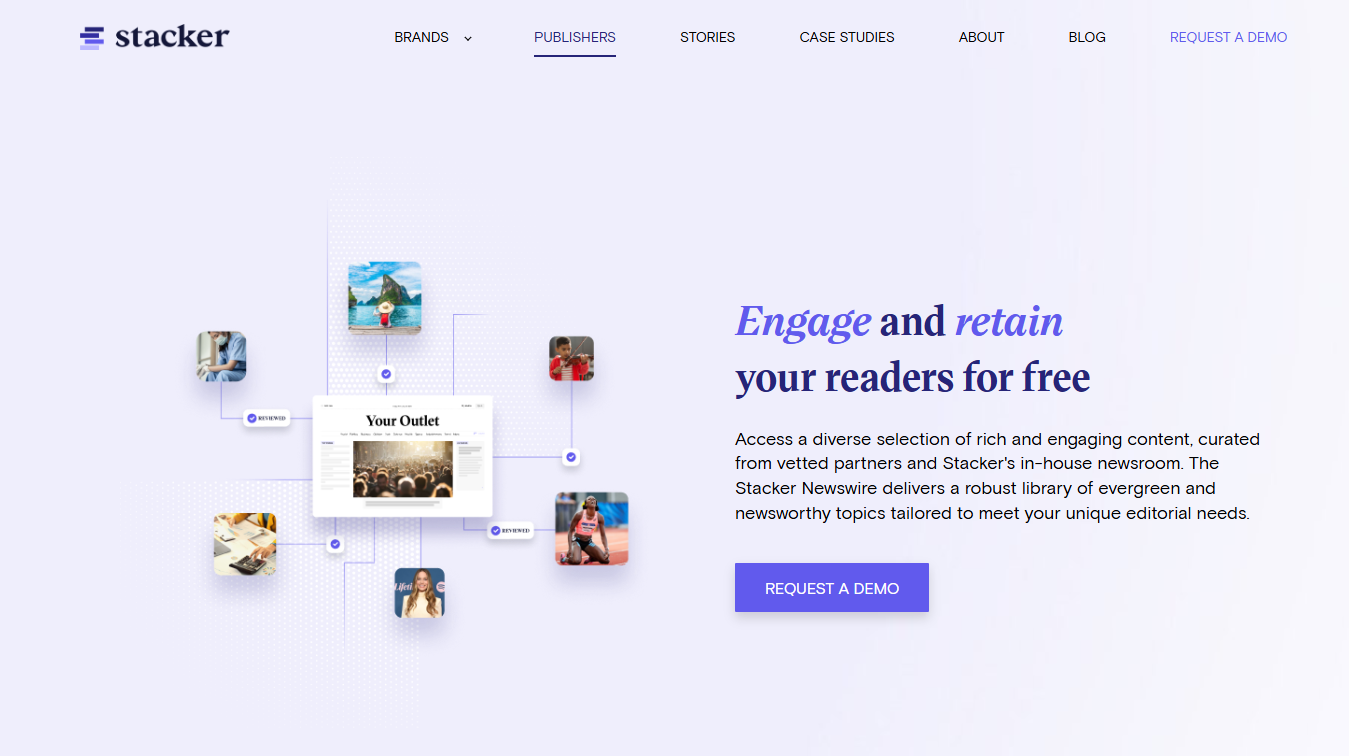
    With over 3,400 publisher networks, Stacker delivers a robust library of fresh content and newsworthy topics customized to meet your unique editorial needs. This allows you to engage and retain your readers.

    Its augmented coverage lets you expand and diversify your coverage to inform and capture your readers at no extra cost.

    The platform is not geographically constrained; you can access timely content when and where you want.

    It is RSS and SMS integrated and has one-click publishing. Still, you get instant alerts on trending stories to help you seize the opportunity to distribute an engaging story.

    Stacker lets you locate relevant stories and share the text or HTML versions to your site.

    Our rating: ★★★☆ 3.5

    What We Love About Stacker

    • Library of evergreen and newsworthy stories across topics

    Where There’s Room for Improvement

    • Could do better with content customization tools

    Platform Reach and Audience
    3

    Content Distribution and Visibility
    4

    Targeting Capabilities
    3

    Content Performance Analytics
    3

    Integration and Compatibility
    3

    Revenue Potential
    4

    Platform Usability
    3

    Compliance and Brand Safety
    4

    Cost Effectiveness
    5

    User Engagement and Conversion
    3

    Reporting and Optimization Tools
    2

    Reputation and Reviews
    4

    0
    0.5
    1
    1.5
    2
    2.5
    3
    3.5
    4
    4.5
    5

    12

    Quora

    ★ 3.2

    Quora

    Quora helps you connect with potential readers, build brand awareness, and engage with the publishing community. As a publisher, you can capitalize on Quora to respond to questions about your publications, share insights into your writing process, and discuss industry trends.

    Ensure your answers are concise and engaging to showcase your expertise in the field.

    You can use the platform to promote your books, share updates, and engage with your fans. You can also monitor Quora discussions to gain valuable feedback and understand readers’ interests.

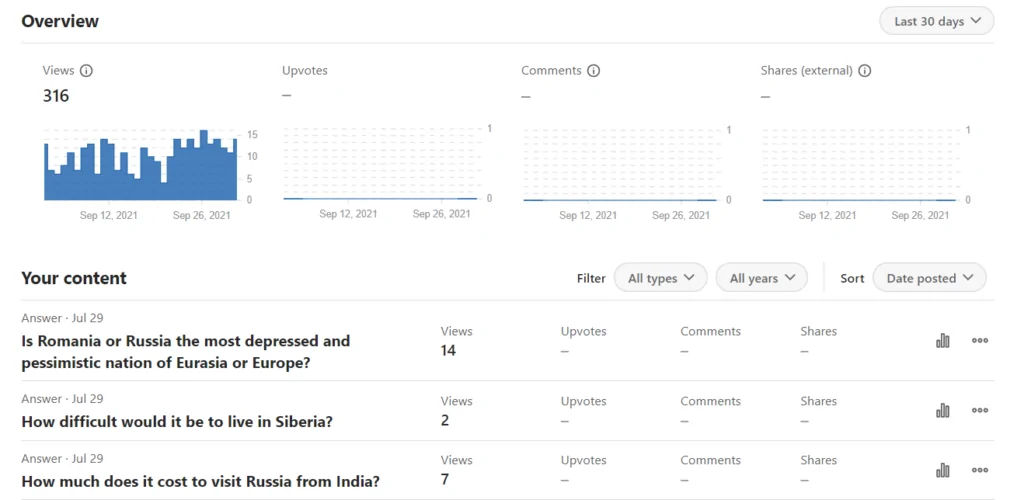
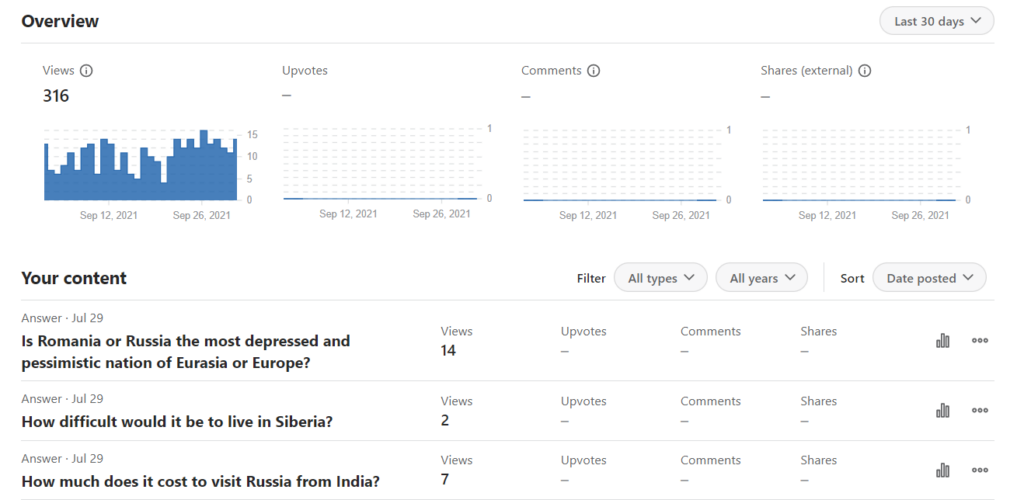
    The Content and Stats feature allows you to monitor your views, upvotes, comments, and external shares.

    The Content and Stats feature allows you to monitor your views, upvotes, comments, and external shares.

    Source

    Quora for business lets you set up campaigns with an Ads Manager dashboard to measure engagement and leads and evaluate overall performance.

    Ads Manager dashboard

    Our rating: ★★★☆ 3.2

    What We Love About Quora

    • Great channel for long-tail traffic and brand exposure
    • Helps establish credibility and subtly syndicate content or ideas

    Where There’s Room for Improvement

    • Could do better with link flexibility and content control

    Platform Reach and Audience
    4

    Content Distribution and Visibility
    3

    Targeting Capabilities
    2

    Content Performance Analytics
    2

    Integration and Compatibility
    2

    Revenue Potential
    3

    Platform Usability
    4

    Compliance and Brand Safety
    4

    Cost Effectiveness
    4

    User Engagement and Conversion
    3

    Reporting and Optimization Tools
    3

    Reputation and Reviews
    4

    0
    0.5
    1
    1.5
    2
    2.5
    3
    3.5
    4
    4.5
    5

    13

    SimpleFeed

    ★ 3.3

    SimpleFeed

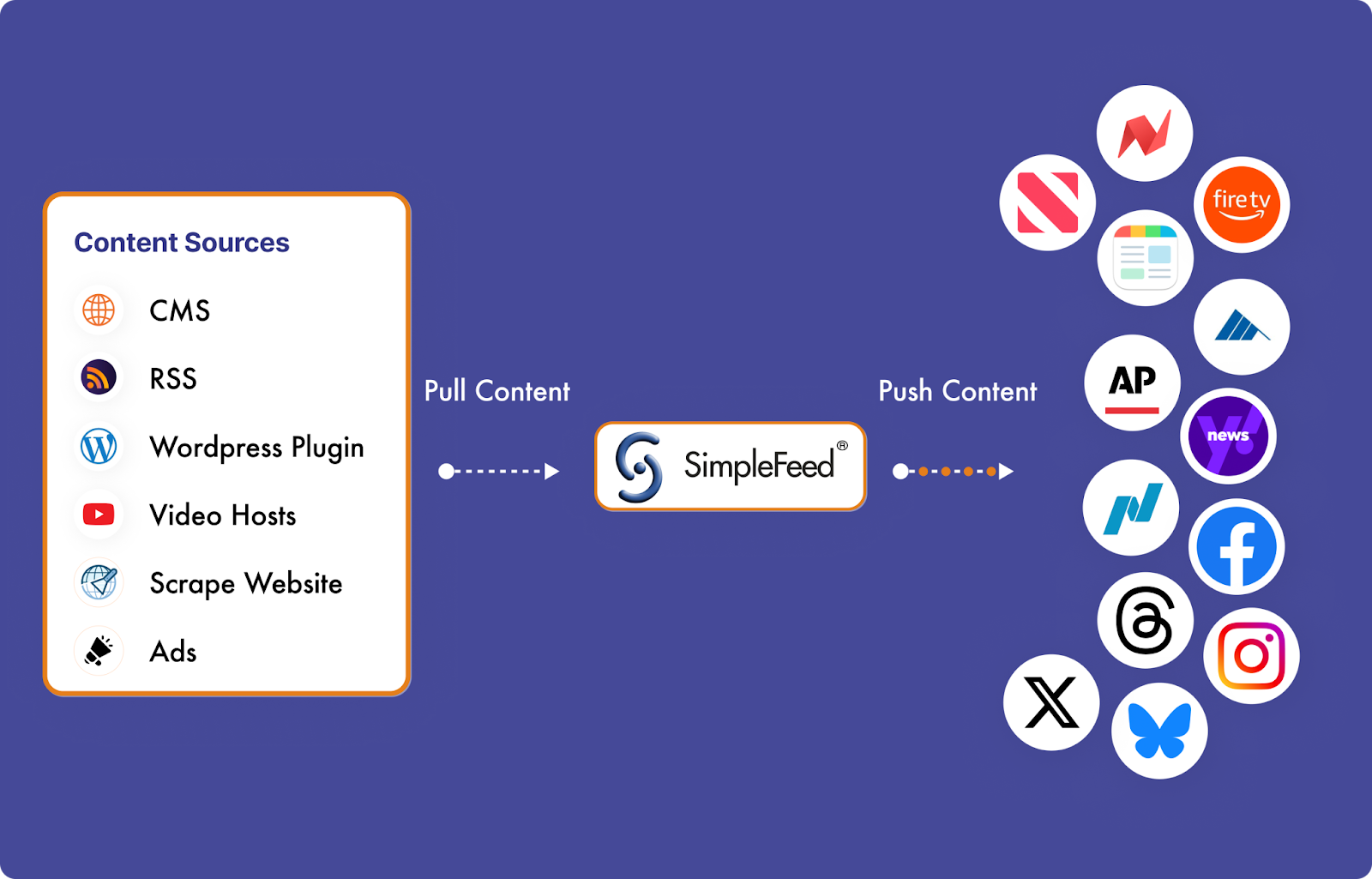
    SimpleFeed is a leading content syndication hub built for publishers. It automatically aggregates your content and publishes it, fully formatted, to high-value channels. These include Apple News, MSN, SmartNews, NewsBreak, Flipboard, RSS feeds, and even AI/LLM platforms.

    SimpleFeed

    Source

    SimpleFeed optimizes each piece of content for its destination and applies templates that match your website’s style. It also schedules posts when your audience is most active and ensures every feed meets platform-specific requirements.

    You can use it to syndicate your content and get real-time analytics and comprehensive reports on its performance. It tracks impressions, engagement, and incremental revenue across various channels.

    Our rating: ★★★☆ 3.2

    What We Love About SimpleFeed

    • Allows you to distribute content to a wide range of channels and reach a broad audience

    Where There’s Room for Improvement

    • Many publishers would appreciate pricing transparency, instead of custom quotes

    Platform Reach and Audience
    2

    Content Distribution and Visibility
    3

    Targeting Capabilities
    3

    Content Performance Analytics
    3

    Integration and Compatibility
    5

    Revenue Potential
    4

    Platform Usability
    3

    Compliance and Brand Safety
    4

    Cost Effectiveness
    4

    User Engagement and Conversion
    2

    Reporting and Optimization Tools
    3

    Reputation and Reviews
    4

    0
    0.5
    1
    1.5
    2
    2.5
    3
    3.5
    4
    4.5
    5

    14

    Flipboard

    ★ 3.2

    Flipboard

    Flipboard helps publishers expand their reach as their stories get featured in the app, daily curation, newsletters, and across the social web. The recommendation engine surfaces articles to the most interested people, driving traffic directly to your site.

    Its Bookmarket lets you create a magazine and add stories. Your traffic and engagement expand as people discover your magazines and follow your profile.

    Looking to boost reach for your coverage or video content? Flipboard’s Premium Native Ad Solution lets you promote your articles and videos to readers interested in your topic coverage.

    Plus, you can share your coverage in magazines organized and structured around topics or themes, so your audience can follow along as you add stories.

    That’s not all. You can also promote your profile, gain followers, and boost your content distribution on social media, relevant newsletters, or your website.

    Our rating: ★★★☆ 3.1

    What We Love About Flipboard

    • Beautiful, magazine-style layout that boosts content discoverability
    • Community-driven sharing that helps niche content

    Where There’s Room for Improvement

    • Could do better with offering deeper analytics for publishers

    Platform Reach and Audience
    4

    Content Distribution and Visibility
    3

    Targeting Capabilities
    2

    Content Performance Analytics
    2

    Integration and Compatibility
    2

    Revenue Potential
    1

    Platform Usability
    4

    Compliance and Brand Safety
    4

    Cost Effectiveness
    5

    User Engagement and Conversion
    5

    Reporting and Optimization Tools
    2

    Reputation and Reviews
    4

    0
    0.5
    1
    1.5
    2
    2.5
    3
    3.5
    4
    4.5
    5

    15

    Quuu Promote

    ★ 2.8

    Quuu Promote

    Quuu Promote is a content marketing tool that promotes content in over 500 interest groups and with 39,000 people sharing to their social media accounts daily. This means your content gets hundreds of mentions, giving you a window to engage the right audience and drive targeted traffic to your site.

    The beauty of it is that you can see the particular users sharing each content and the social platform they are sharing it on.

    Quuu Promote is a content marketing tool

    The platform allows you to manage all your content promotion from one dashboard. Plus, you can track your performance trend with monthly reports.

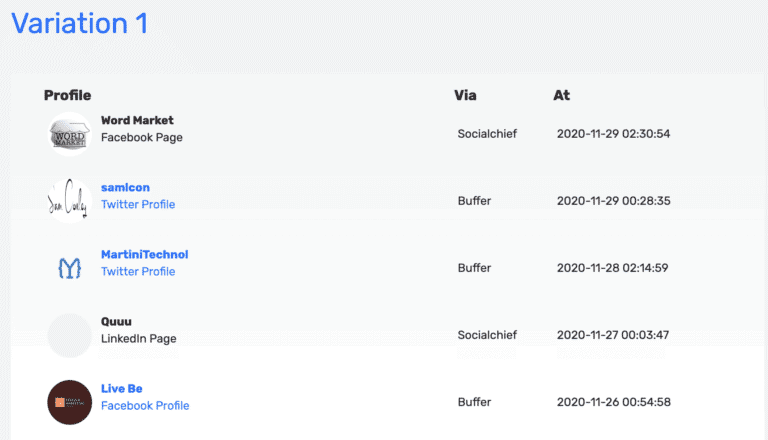
    track your performance trend with monthly reports

    Source

    Even better, you can customize your promotion approach as per your goals.

    Our rating: ★★☆ 2.6

    What We Love About Quuu Promote

    • Real human content sharing boosts social media presence

    Where There’s Room for Improvement

    • Could do better with providing more granular analytics and performance insights

    Platform Reach and Audience
    3

    Content Distribution and Visibility
    2

    Targeting Capabilities
    3

    Content Performance Analytics
    2

    Integration and Compatibility
    2

    Revenue Potential
    1

    Platform Usability
    4

    Compliance and Brand Safety
    4

    Cost Effectiveness
    4

    User Engagement and Conversion
    3

    Reporting and Optimization Tools
    2

    Reputation and Reviews
    3

    0
    0.5
    1
    1.5
    2
    2.5
    3
    3.5
    4
    4.5
    5

    Final Thoughts

    Content syndication offers publishers a way to breathe new life into old content. Not only do they boost visibility for publishers’ content, they also help to generate valuable backlinks that improve SERP rankings.

    While we’ve covered several different content syndication platforms, there are a few more ways to syndicate content that are worth mentioning. Video syndication is a unique way to reuse old content. Transforming existing content into video and uploading to sites such as YouTube is emerging as a promising editorial strategy.

    For digital video publishers, audio content syndication might be an interesting way to republish content. For more insights into making content reach its full growth, check out our guides on content promotion strategy and content atomization.

    FAQs

    What do you mean by content syndication?

    Content syndication refers to strategically distributing your content across multiple platforms as a digital publisher to amplify reach and gain greater visibility.

    How do you do content syndication?

    It’s as simple as sharing your content on multiple channels to reach more readers. This lets you extend your reach without extra effort on content creation.

    Is content syndication legal?

    As long as you have the rights to the content, syndication is legal. Most professional networks handle the agreements, so you don’t run into copyright issues while reaching a bigger audience.

    Are paid content syndication networks better than free solutions?

    Honestly, paid networks can save you a lot of headaches. You get your content in front of the right audience, on sites that actually matter, and you can see what’s working with real data. 

    Free options can get your content out there, too, but it’s often a bit of a guessing game. If you want predictable results without spending all your time chasing placements, paid usually makes sense.

    Which is better: Taboola or Outbrain?

    There is no clear winner as Outbrain’s area of expertise lies in content discovery, whereas Taboola primarily concentrates on native advertising. It ultimately comes down to individual needs and preferences, so we recommend comparing their features, pricing, and customer support before making a decision.