





The traffic model that funded a decade of digital publishing is being quietly dismantled, and most publishers are still optimising for it.
In 2026, AI-powered search experiences and zero-click environments are fundamentally changing how audiences discover and engage with content online. Recent data suggests that 42% of UK searches now generate AI summaries, reducing the need for users to click through to external websites. For publishers that have traditionally relied on search referral traffic as a key audience acquisition channel, this marks a significant shift.
But focusing primarily on changes in click-through rates risks oversimplifying what lies ahead. As AI-powered discovery reshapes how audiences find content, scale-based models built around traffic acquisition are becoming less effective. The competitive advantage will come from publishers’ ability to maximise the value of the audiences they already own, not the ones they are still trying to acquire.
That means building environments where users stay longer, engage more deeply, and generate higher-quality monetisable opportunities. Publishers are refining the user journey by investing in smarter content recirculation, adopting mobile-first design principles, and optimising ad experiences to reduce drop-off and improve viewability. These efforts are becoming ever more critical as consumption shifts toward mobile and in-app environments, where audiences expect seamless, immersive, and personalised experiences as a baseline, not a differentiator.
Mobile and in-app engagement as a revenue strategy
Optimising for mobile is no longer just a usability decision. It is directly tied to monetisation outcomes.
Publishers optimising effectively for mobile and in-app are seeing tangible commercial benefits: improved session depth, higher viewability rates, stronger ad performance, and increased revenue per user. Faster load times, cleaner user journeys, and more immersive formats all contribute to keeping audiences engaged for longer, and each of those gains flows through to commercial performance.
These environments also generate richer first-party signals. Apps enable more consistent and direct user interactions, giving publishers clearer insights into audience behaviour, content consumption, and intent. As advertisers place greater emphasis on signal quality and contextual relevance, those insights are becoming a meaningful commercial asset in their own right.
This is also reshaping format strategy. High-performing publishers are leaning into richer, high-impact formats, such as video and interactive experiences. According to a recent AOP survey, 45% of publishers now identify video as a key growth area for future revenue. That reflects a broader market reality: advertisers are prioritising formats that command sustained attention and deliver measurable engagement outcomes, not just impressions.
Contextual currency
Alongside demand for premium, brand-safe environments capable of delivering measurable attention, advertisers are also looking for stronger contextual signals to help guide their media buys, particularly in the post-cookie landscape.
First-party data remains one of publishers’ most valuable assets, but contextual intelligence is fast becoming an essential complement. Where first-party data tells you who the audience is, contextual intelligence tells you what they are thinking, what they are considering, and what they are likely to do next. That combination is what advertisers are increasingly trying to buy.
Mobile and in-app environments are well-positioned to deliver it. Users tend to spend longer within apps, engage with greater focus, and interact with more deliberate intent. That translates into stronger behavioural and contextual signals that advertisers can use to align their messaging precisely with user intent.
Generating those signals, however, is only part of the challenge. To unlock their full commercial value, publishers must be able to package, activate, and monetise those insights effectively.
Capturing monetisable moments
As current industry conversations are increasingly shifting toward monetisable moments, the future depends not simply on creating more inventory, but on making inventory smarter, more addressable and easier for buyers to activate. Every interaction needs to be more informed and more effective, requiring a more deliberate approach to how inventory is structured, segmented and delivered.
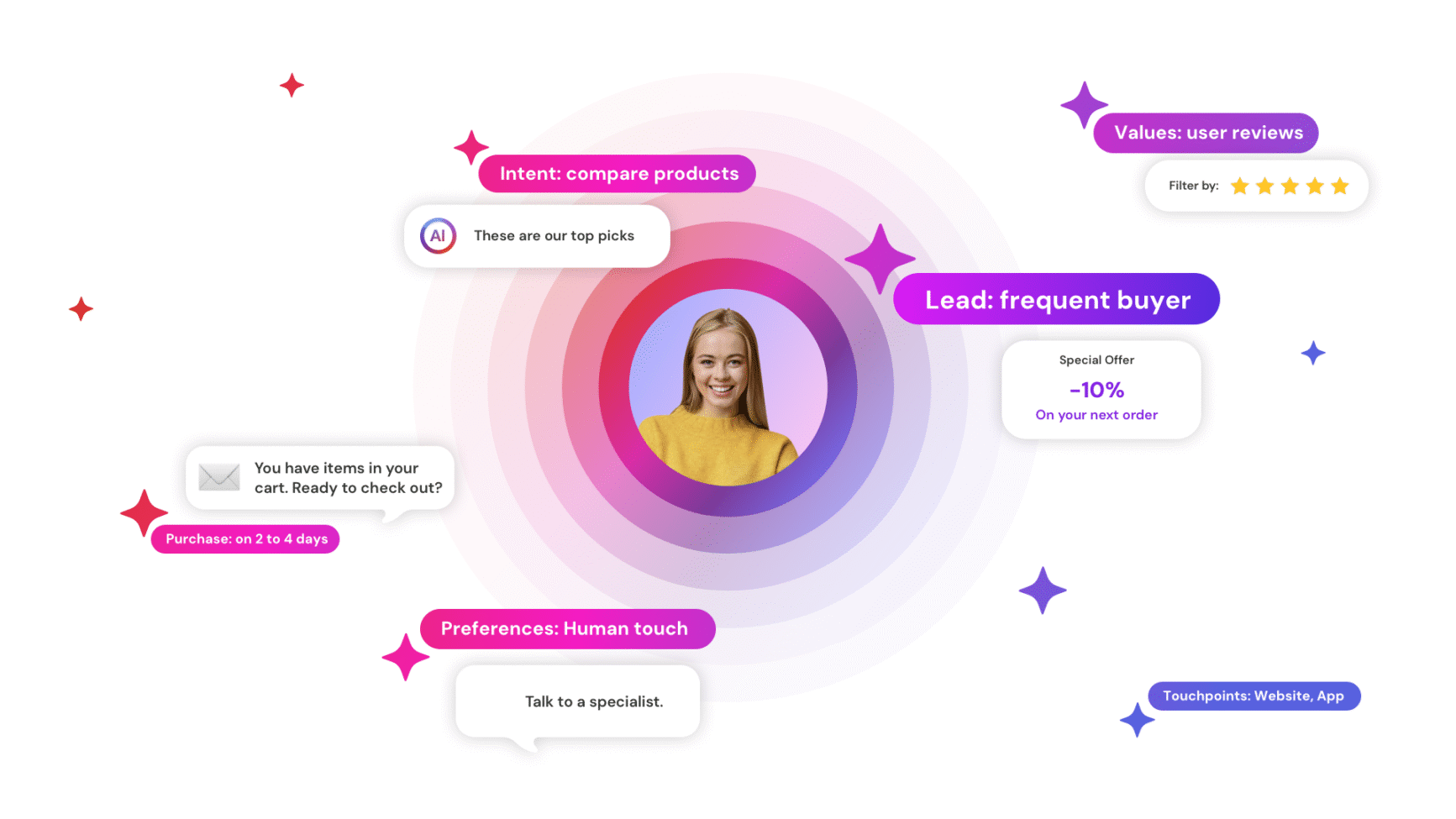
This is where data activation becomes critical. Audience segmentation, contextual targeting and sell-side data strategies help transform user behaviour and content signals into actionable buying opportunities. By packaging inventory around real audience intent and contextual relevance, publishers can make their supply more discoverable, differentiated, and valuable to advertisers.
As advertisers demand greater transparency, addressability and performance accountability, AI is likely to accelerate this shift further. Success will increasingly be measured by how effectively publishers can understand, engage and monetise their audiences.
Viewed through this lens, AI should be seen as a tool to enhance value. The publishers best positioned to succeed will be those that treat AI not as a disruption, but as an amplifier of engaging editorial experiences, intelligent data strategies and smartly packaged inventory. Those who can combine trusted content with AI-enhanced contextual intelligence will be far better placed to forecast and navigate the future with confidence. The question is not whether AI will reshape publisher economics. It already is. The question is whether publishers are building for it or waiting for conditions that are not coming back.