Mobile music and video app usage in the United States
Verto Analytics May 2018’s report of the most popular mobile music and video apps in the United States reveals YouTube’s dominance in mobile reach. In response, we’ve seen Facebook take…
Verto Analytics May 2018’s report of the most popular mobile music and video apps in the United States reveals YouTube’s dominance in mobile reach.
In response, we’ve seen Facebook take the fight to YouTube with Instagrams launch of IGTV.
Why it matters: Here are a few reasons why YouTube is dominating to date.
The percentage of selected device owners who stream video content daily in the United States has increased by 40% and 30% on connected TV/streaming devices and smartphone alone in the past two years. YouTube’s platform is only benefiting from this growth.
2015
2017
Connected TV/streaming device
32
46
in %
Smartphone
20
30
in %
Computer
24
26
in %
Tablet
19
10
in %
Source: Various sources (MARU Matchbox) ~832 responses.
Facebook, Instagram, and the other social media incumbents have been playing catchup in improving their video user experience across vertical video views (especially Facebook since August 2016). Subsign has produced an interesting article last year, providing evidence that as of February 2017:
Facebook — Vertical videos publish with no black borders
Instagram — Vertical videos publish with no black borders
Snapchat — Vertical videos publish with no black borders
Twitter — Vertical videos publish with no black borders
YouTube — The Android version of the app hides black borders when the device is held vertically and video is viewed in full screen.
YouTube’s strength is their search engine, making video and music more discoverable.
With YouTube’s release of channel membership subscriptions and launch of YouTube Premium mobile into 18 countries a few weeks ago, this only shows their efforts in further monetizing their platform by offering better tools for their creators. IGTV has been aggressively been pushing to encourage loyalty across its existing influencer base and provide a better vertical view experience across all smartphone devices for long-form video, however, it still lacks some key features that YouTube already has (primarily it’s search engine capabilities). The battle for increased creator loyalty and mobile-specific features for better video and music performance and discoverability will only continue.






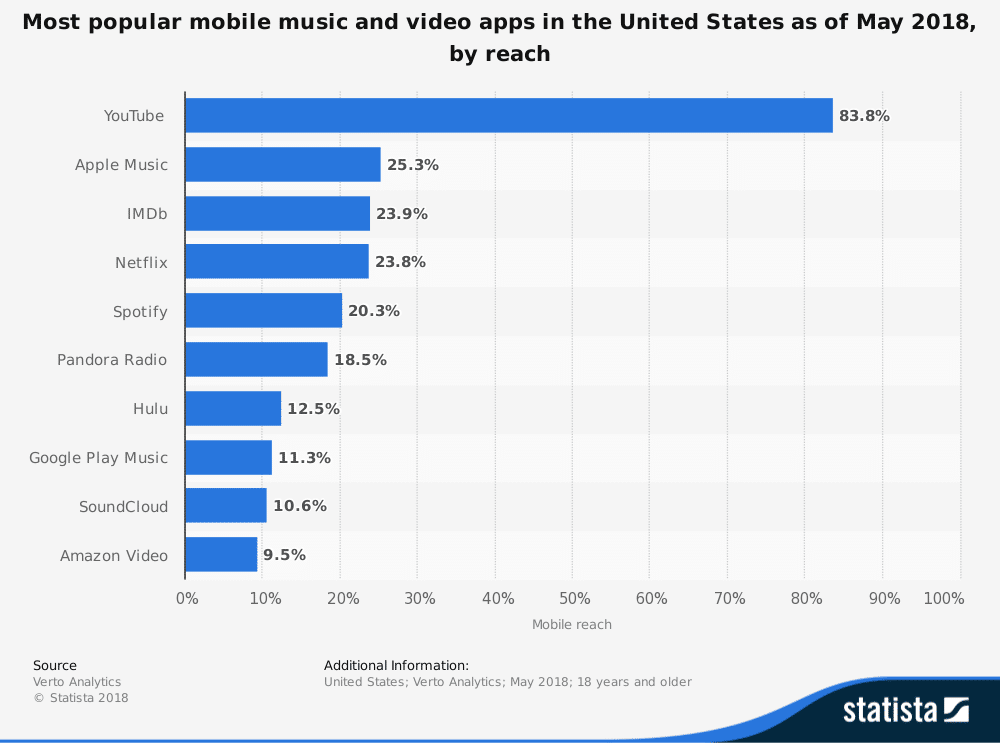 In response, we’ve seen Facebook take the fight to YouTube with Instagrams launch of IGTV.
Why it matters: Here are a few reasons why YouTube is dominating to date.
In response, we’ve seen Facebook take the fight to YouTube with Instagrams launch of IGTV.
Why it matters: Here are a few reasons why YouTube is dominating to date.
 With YouTube’s release of channel membership subscriptions and launch of YouTube Premium mobile into 18 countries a few weeks ago, this only shows their efforts in further monetizing their platform by offering better tools for their creators. IGTV has been aggressively been pushing to encourage loyalty across its existing influencer base and provide a better vertical view experience across all smartphone devices for long-form video, however, it still lacks some key features that YouTube already has (primarily it’s search engine capabilities). The battle for increased creator loyalty and mobile-specific features for better video and music performance and discoverability will only continue.