




Turning anonymous website visitors into actual paying subscribers is a daily challenge – you need to have a good understanding of who your readers are and how they interact with your content. But the reality is, most publishers are struggling with this – just 23% of visitors even get offered a subscription. The conversion rate to paid subscribers, according to a benchmark, is a low 0.003% of all visitors, which goes to show how hard it is to make any decent money from audiences without a much deeper understanding of what makes them tick.
Data getting stuck in silos, conversion funnels getting all disjointed and tools that are about as flexible as a brick wall – all this makes it even harder for publishers to get the insights they need to optimize the reader experience and build genuine loyalty. To help tackle these problems, the Denník N tech team got to work on REMP (Reader Engagement and Monetization Platform). This open-source platform brings much-needed structure and common sense to subscription-driven publishing. By bringing all the key bits together – audience insights, engagement tracking, and subscription management – into one tidy system, REMP helps publishers get a handle on reader behavior, refine their user journeys, and – most importantly – build a loyal readership.
The flexible platform features paywall management, data tracking, email automation, and real-time analytics that help publishers monitor every step of reader interaction through a structured, data-driven approach. REMP offers publishers much-needed flexibility, giving them new growth opportunities. By connecting the CMS and payment gateway, REMP serves as the customer data platform, collecting user data and creating personalized journeys with reminder messages and special offers based on their interests.
Like a strategic toolset, the open-source platform helps publishers maintain complete control over their data, experiment with various concepts, run campaigns to strike a chord with the target audience, customize paywalls, and build a sustainable reader revenue strategy, all from one unified system. Without relying on vendors, users can add features and design unique workflows using only the components they need, without disrupting the central system.
While the open-source of REMP adds value to publishers, implementing it demands technical skills. Fatchilli’s REMP version, called Lemon Squeezy, removes technical barriers through its plug-and-play solution. From hosting and initial setup to security and ongoing technical support, it manages all aspects so publishers of all sizes can deploy it. Keeping the needs of mid-level and small publishers in mind, Fatchilli launched the Lemon Squeezy version of REMP in 2022-2023 to reduce the barrier to broader adoption.
What is REMP by Fatchilli?
Through REMP, publishers can design personalized strategies to ensure reader engagement and attract subscribers. Instead of making assumptions, publishers can leverage audience data and refine their marketing and editorial approach accordingly. Unlike other SaaS tools, it offers a unique level of flexibility for publishers who want to build long-term relationships with their readers and retain complete autonomy over their revenue strategies.
Moving beyond unstructured tools, the data-driven tool works as a unified architecture that helps publishers form a holistic understanding of audience interests, make informed decisions, and use analytics to refine the paywall. Beam, the analytics engine, CRM, Mailer, and the campaign are the core components of REMP that work in perfect sync, enabling seamless data movement across the platform and ensuring smart targeting, and strengthening the subscriber base.
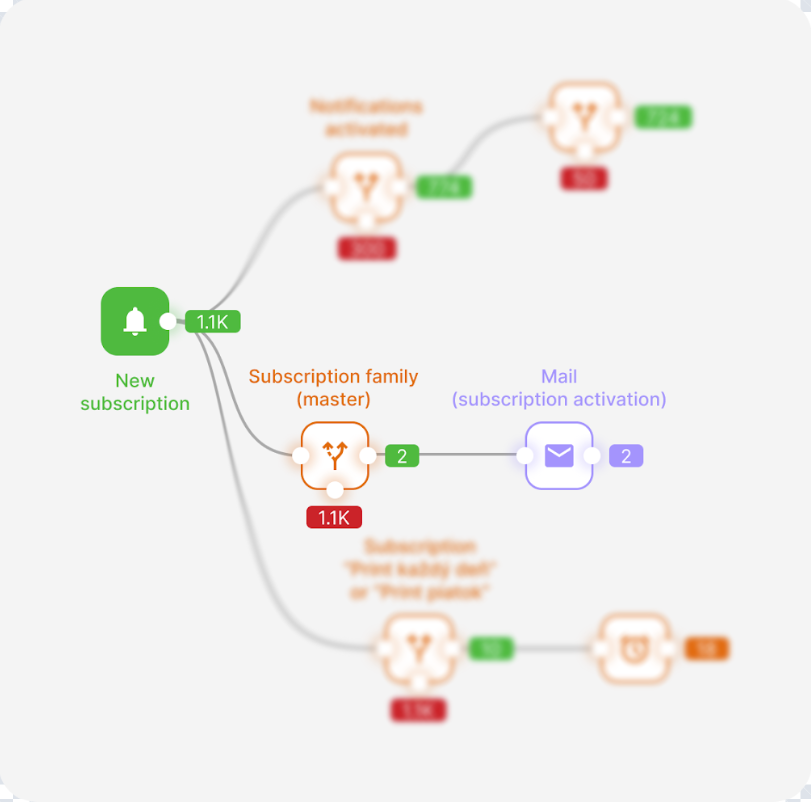
While Beam supervises every reader action, understands which author or content is driving the most leads, and allows real-time tracking, the CRM creates unique user profiles by tracking data across devices and enables effective targeting through custom fields. Mailer then strengthens customer engagement and prevents churn by providing onboarding assistance, segment-based messaging based on user behaviour, and churn alerts to nurture readers at every stage of their journey. The campaign completes the conversion process. Based on their behaviour, users will be sent personalized offers, relevant messages, or a paywall.
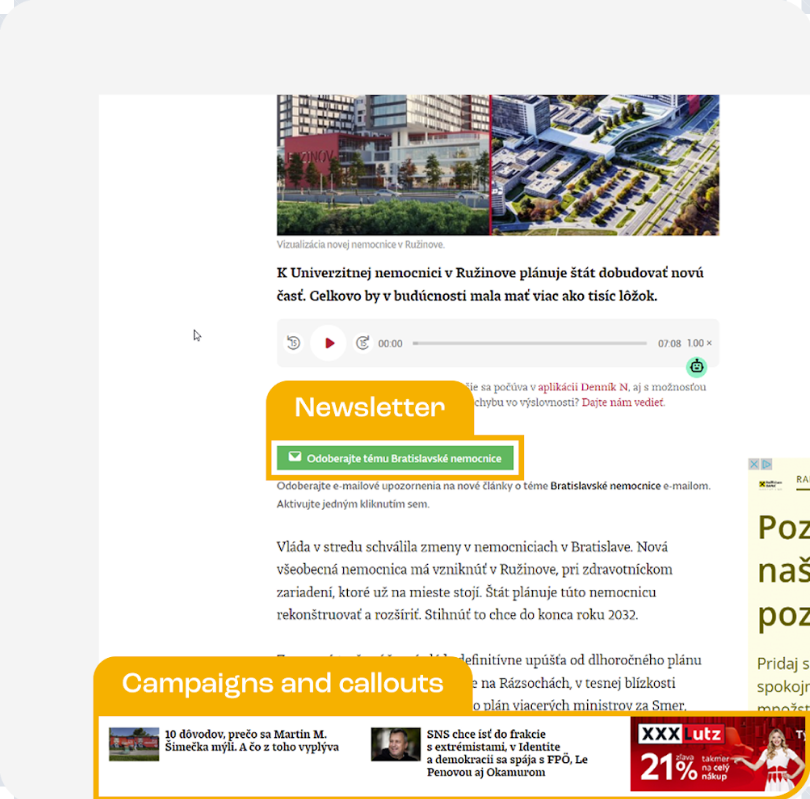
For example, if a reader shows interest in sports-related articles, Beam records the user’s action. Based on this data, CRM creates the reader profile with updated features, such as ‘interested in sports’. Based on these insights, Mailer sends well-designed newsletters that highlight the best sports-related content or deliver personalized messages. The campaign then sends special offers, a soft paywall, or a direct CTA. This well-designed structure not only enhances engagement but also encourages readers to subscribe without disrupting the user experience.
REMP Features
- REMP Beam
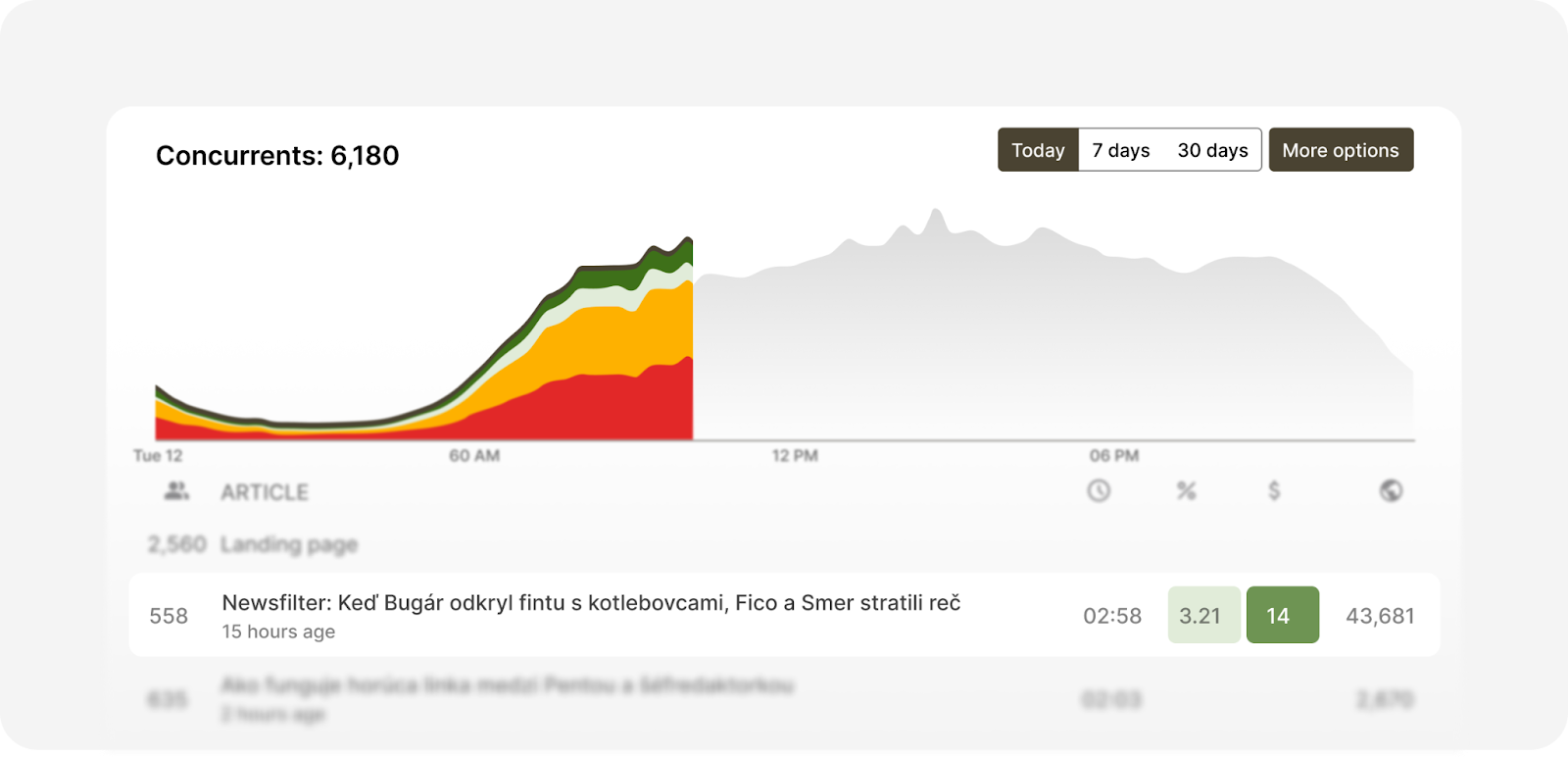
Traditional analytics tools like Google Analytics or Chartbeat focus on page views and the time users spend on the website. Beam, the core real-time analytics tool, sheds light on the specific content that converts readers into subscribers. Publishers no longer need to rely on monthly or weekly reports and can act on real-time insights immediately.
Apart from that, publishers can also get valuable audience insights and segment people based on their behavioral patterns. It also helps them develop an in-depth understanding of the authors, channels, or tags that drive subscriptions. They get a comprehensive view of the stories to focus on and promote to drive more conversions, compare the lifetime value of content across various categories and even get real-time insights on sudden growth or dips in conversions. Editors can plan the workflow based on the content that generates more revenue and create targeted campaigns.
For example, an opinion piece on a trending topic might convert 30% of readers while sports interviews might convert 2%. It can also help publishers test headlines to ensure which creates the maximum impact among readers, compelling them to sign up for subscriptions. Moving beyond page traffic, the revenue-focused approach shifts newsrooms’ strategy.
Marketers can also make informed decisions on which channels to invest in. Apart from making smarter editorial decisions, it also automates time-consuming work by automatically tracking user data and generating reports, streamlining the process in a structured way.
The data is available in a clean and understand dashboard and can be also queried systematically.
2. CRM
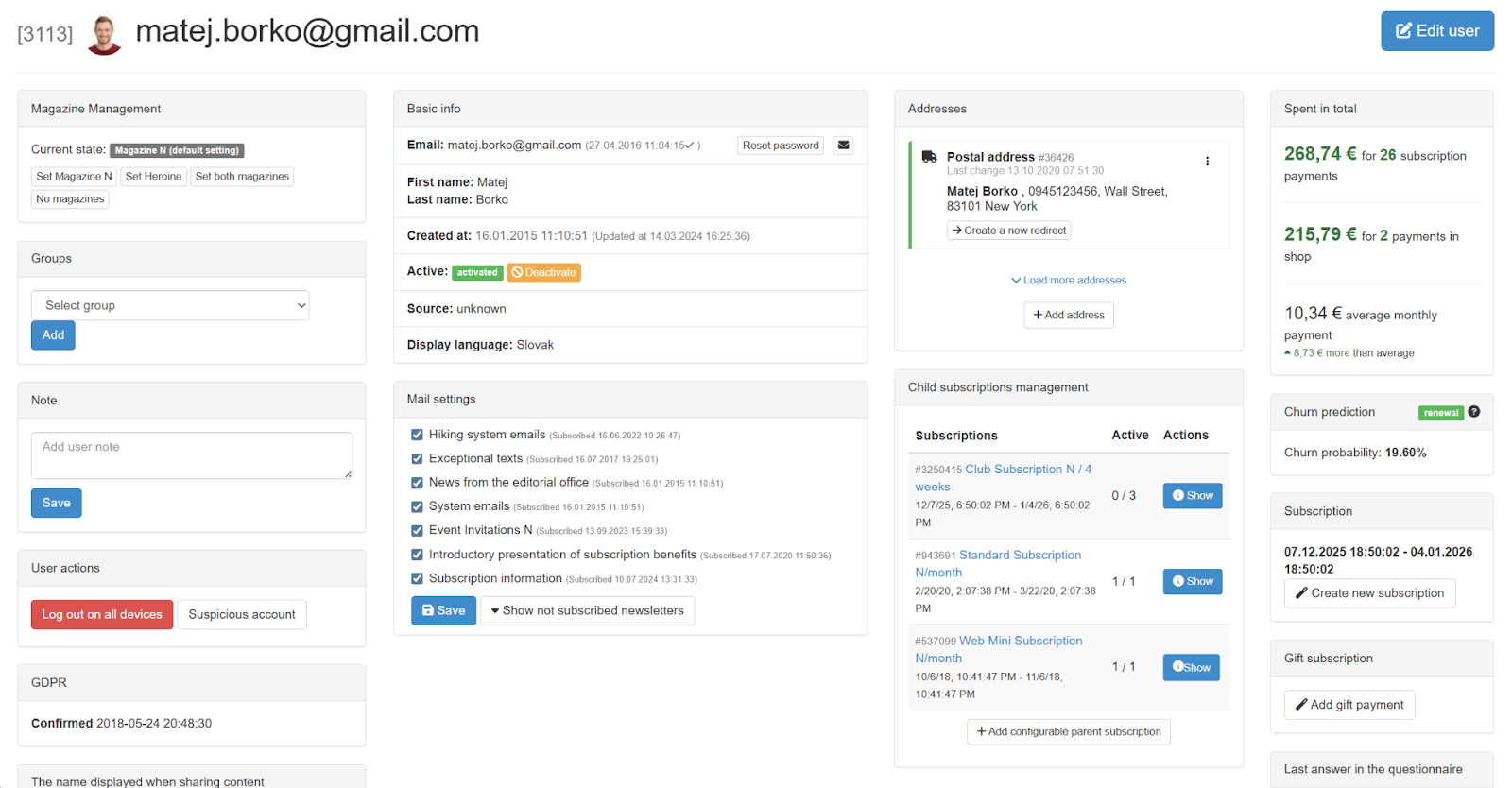
Beyond the subscriber list, CRM unifies reader data across touchpoints. Unlike traditional CRM, it works like a customer data platform, covering everything from identity management and audience segmentation to subscription packages, automated marketing campaigns, a scenario builder, and even a Web shop. REMP’s CRM clearly shows key metrics for audience monetisation such as LTV, ARPU, and churn rate. From the first visit through payment records, subscription status, user responses to newsletters and articles, and even cancellations, it accumulates all the data in a structured way. It provides a 360-degree view of the reader experience. This makes audience segmentation easy.
The teams get a clear picture of people on the verge of subscribing, new subscribers, and users showing signs of low engagement. With the help of CRM, teams create data-driven retention or propensity models to analyze readers’ interests and engagement rates, predicting whether they will continue to visit the site, sign up, or are likely to cancel their subscription. Accordingly, they can take immediate actions to prevent churn, such as designing special campaigns and offers. For example, if a reader cancels the subscription, the system might automatically send a personalized message: “We can’t wait to have you back!” with a special 15% offer. This will attract readers and encourage them to renew their subscriptions. A complete win-back strategy can be designed on the back of this comprehensive data.
3. Mailer
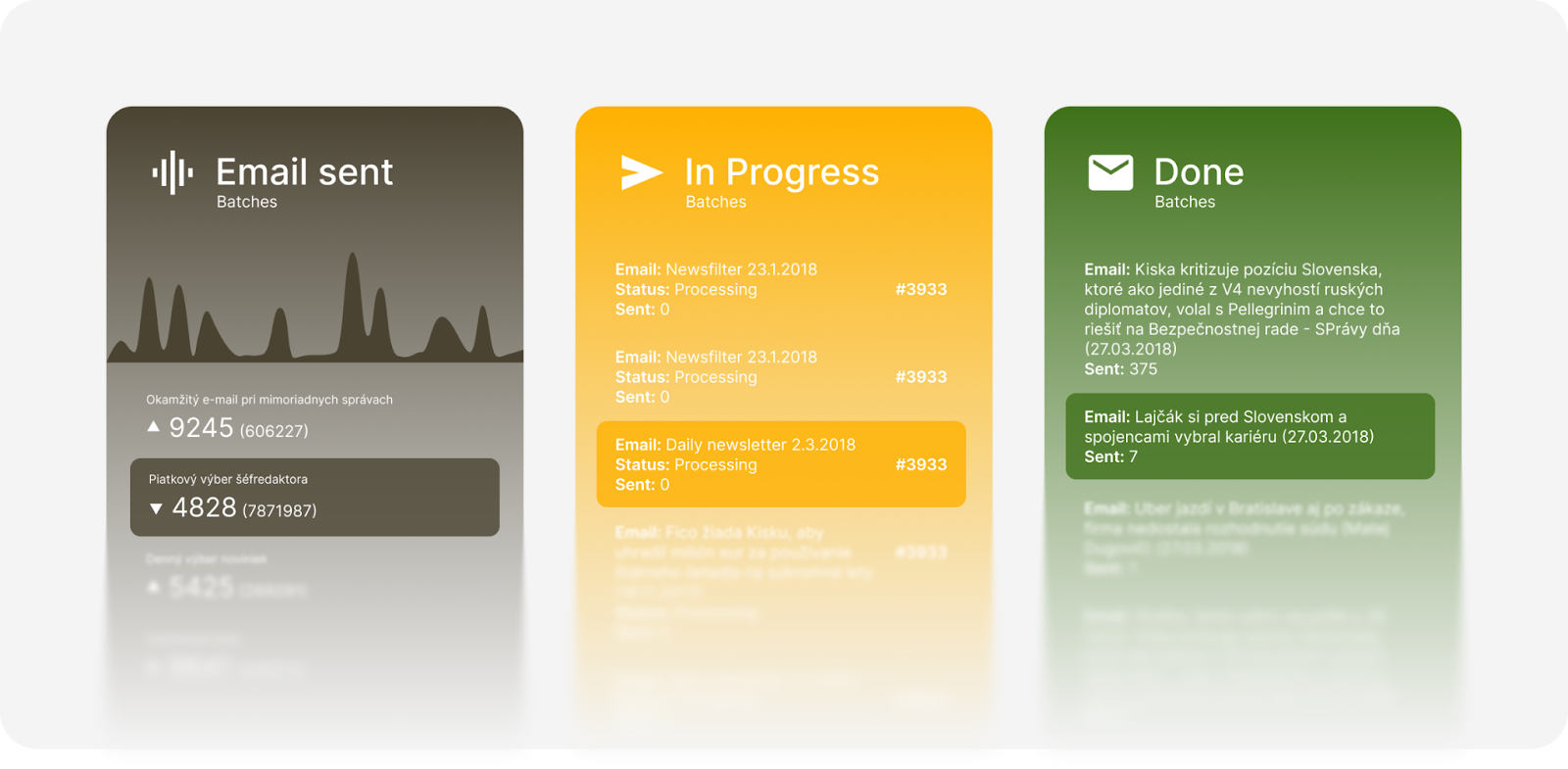
Emails are considered one of the most effective media for building and retaining a strong relationship with readers. REMP’s Mailer can add a personal touch to every piece of content sent to the segmented audience. If a subscriber is gradually losing interest, REMP mailers can intervene to deliver the right message at the right time, preventing users from slipping away.
Advanced users can create personalized emails at every step of the user life cycle. For example, non-subscribers might receive a new article alert, while paying subscribers can receive the entire article delivered directly to their email. From making the onboarding process easy for new subscribers, guiding them through the paywall or reminding them to opt for upgrades, to sending messages to celebrate milestone events with special offers, or even sending a specially curated newsletter based on user interests, mailers truly help retain subscribers.

Teams understand which email campaigns can bring back lapsed subscribers and rekindle their interest, or which audience group should be asked to advance to premium offers. Whether it’s segmentation or sending renewal alerts to keep subscriptions active, mailers also automate a wide range of tasks for teams.
4. Campaign
This is another crucial aspect that helps publishers attract more readers and boost their revenue through targeted communication. Designed to work with Beam and CRM, it works on real-time insights. Publishers can target a specific audience, design custom banners, see firsthand results, and make strategic decisions accordingly. Be it gaining new subscribers, encouraging them to upgrade to special plans, or recovering lapsed subscribers, it reduces friction in the conversion funnel.
Without depending on the development team, it enables teams to send prompts or paywalls to the users and open new avenues of growth. Based on scroll depth or interest in specific content type, they can send micro-targeted prompts, experiment with dynamic paywall, messaging, pricing segment or CTA to conclude what resonates the best among users, inspiring them to take the next step (renewing their account, opting for paid subscriptions, or upgrading the offer).
REMP Reader Funnel
The growth of loyal readership is a gradual process. There are clear metrics to monitor at every stage and practical interventions throughout the funnel. REMP tracks engagement signals closely and guides the audience through the entire process with structured interventions, ensuring no conversion opportunity is missed along the way. Using these metrics, the team tracks what drives conversions and what prompts users to move through the funnel to the advanced stage.
The transition from anonymous to engaged readers
At times, casual visitors click on an interesting article that leads to your website. Generally, they go through the article and leave without a trace. The team aims to ensure visitors return to the site. At this stage, teams carefully monitor key metrics, including scroll depth, engagement time, and page reviews. REMP captures the readers’ attention through push notifications, subtle registration prompts, personalized banners, or a sign-up wall. Targeted interventions trigger registration for a free trial account and the monthly newsletters. To analyze high-intent users, users can also establish segmentation rules such as” Read 5 articles in 10 days” or “Hovered on the editorial vertical for 3 days”.
The transition from engaged to loyal readers
When the audience shows interest in a particular type of content, REMP takes it to the next level by converting them into habitual readers. At this stage, some key metrics monitored include content interest, visit frequency, newsletter registration rates, and more. Some of the segmentation teams can establish at this point are ‘visited paywall thrice while reading articles, or ‘showed high interest in a particular category of article’. Based on their interests, it might send marketing emails, curated newsletters, personalized article suggestions, and offer a seamless registration process to strengthen the relationship with readers and build trust. At this point, users might start relying on the website and come back to check for updates.
The transition from loyal to paying readers
This step is crucial and is the final stage of monetizing the audience. Some key metrics monitored at this stage include paywall impressions, acceptance of special offers, and opt-ins for trials. Based on user behaviour, it also shows flexibility in paywalls. For a non-subscriber who reads many articles, it might offer lucrative discounts. This is the time when the REMP system experiments with various price points and attracts readers with time-bound offers. Through a dynamic paywall, a versatile subscription model including monthly, exclusive tiers, feature bundles, nudges to upgrade or special discounts, it attracts various readers and transforms them into long-term subscribers.
Setting up REMP
Setting up REMP primarily involves five well-designed stages.
1. Detailed Analysis and Strategy
The first step is to take a closer look at current operational methods. The Fatchilli team understands the set standards, requirements, target audience, and approach, and determines a feasible timeline and cost based on the features or metered paywall added by publishers. The demo dashboards shown to publishers help them understand how the pawalls, banners and CTAs will appear once the integration with REMP is done.
2. Seamless Installation
REMP is set up on the publisher’s or the hosting site’s preferred server. It is installed carefully so that it runs smoothly and is ready for future updates. At this point, the system is operational but not tailored to your needs or connected to your existing systems.
3. Integration
The step includes migrating subscription-related information, enabling payment gateways, personalizing banners, layouts, and CTA placements, and transferring essential data. The publishers can also set up the guidelines for paywalls. If needed, you can also add extra modules added by Fatchilli.
4. REMP in action
Finally, the REMP module is ready for use. The support team offers detailed training sessions on operating the CRM, Beam, Mailer, and Campaign modules. Users learn how to keep tabs on campaigns, oversee the journey from registration to subscription, and generate automated newsletters for readers. The well-designed dashboard offers real-time insights for varied roles.
For example, editors can check the placement of CTAs in articles and marketers can measure analytics metrics and perform A/B testing. On the other hand, admins can closely monitor subscriptions and revenue through this platform.
5. Maintaining and Upgrading
Even after the launch, the Fatchill team continues to offer module updates and introduce new, customizable features contributed by the open-source community. The new features are added to the interface without overwhelming users.
The Lemon Squeezy Difference
Through the Lemon Squeezy version, publishers can set up the entire platform fast and enjoy flexibility, simplicity, and affordability.
With expert guidance, you can add REMP real-time analytics (Beam) to the website. During this phase, publishers will be able to monitor reader behaviour, discover the kinds of content that engage visitors, segment the audience, and even run on-site campaigns (pop-ups, banners, offers) to determine precisely what is attracting readers.
During this phase, user data is gathered through social login and user registration. Users can log in with their existing social media accounts, helping you identify and take the first step toward engaging with users. Once they start registering, you get valuable insights into essential information such as name, email address, location, and user data.
The next phase focuses on connecting user data to the email service provider and on designing email templates that attract the audience and help your brand make a strong impression on readers. You can use the support team to create and send personalized newsletters or campaigns to strike the right chord. This target messaging is based on user behaviour and interests. You can also send automation guidelines to initiate trigger-based communication.
Customization and Monetization Features
1. Paywalls
A rigid paywall system prevents publishers from understanding their audience’s unique needs. As a result, they often miss out on conversion opportunities. REMP lets publishers experiment with various paywall models. REMP features a dynamic paywall based primarily on location, readership patterns, and varied interests. This approach to customization helps publishers understand which strategy works for each segment of the audience.
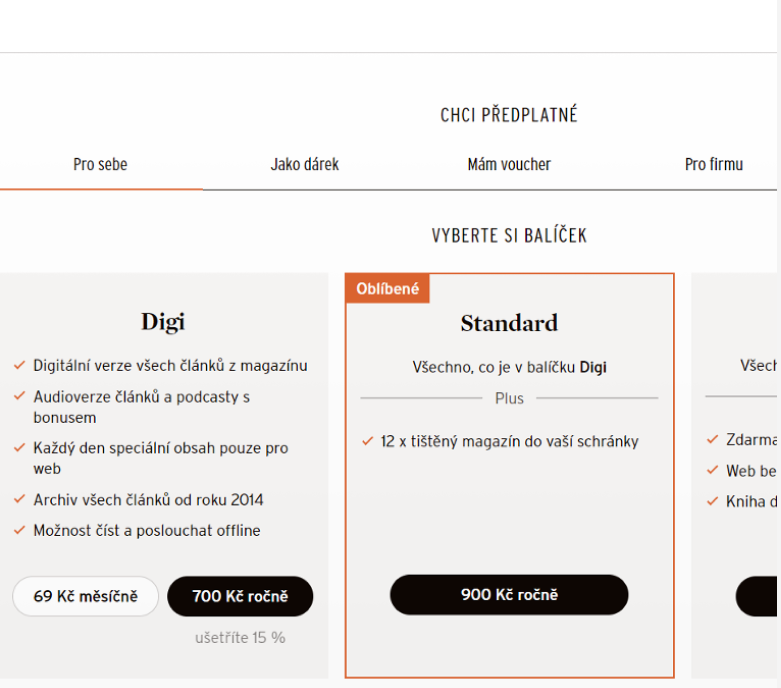
REMP has advanced paywall logic that adapts strategically to user behaviour, scroll depth, session depth, and engagement levels within specific categories. The paywall structure has multiple layers based on the reader’s stage. If it is a casual visitor or a new reader, they will be shown a soft paywall (restricted access to articles after 2 free reads). As the reader starts showing more interest (reads 4 premium articles in 3 days), it is escalated to the medium paywall (An article with two paragraphs of visible content, with the rest of the content blurred with a message ‘Create a free account to read more).

As the intent signal grows, a user reads five premium articles (politics, opinion pieces), or if his scroll depth is around 70-90%, he will encounter a hard paywall (locked content until he subscribes).
Moving away from the traditional model, Fatchilli has introduced a user-centric approach, a soft paywall option, Wonderwall. This allows publishers to decide how the readers should unlock the content. Instead of paid subscriptions, they can register, sign up for newsletters, or watch an advertisement to access the entire content.It can also enhance user engagement by keeping visitors on the site longer, expanding traffic sources, collecting email addresses to build a newsletter subscription list, and developing a long-term audience strategy.
2. Campaigns
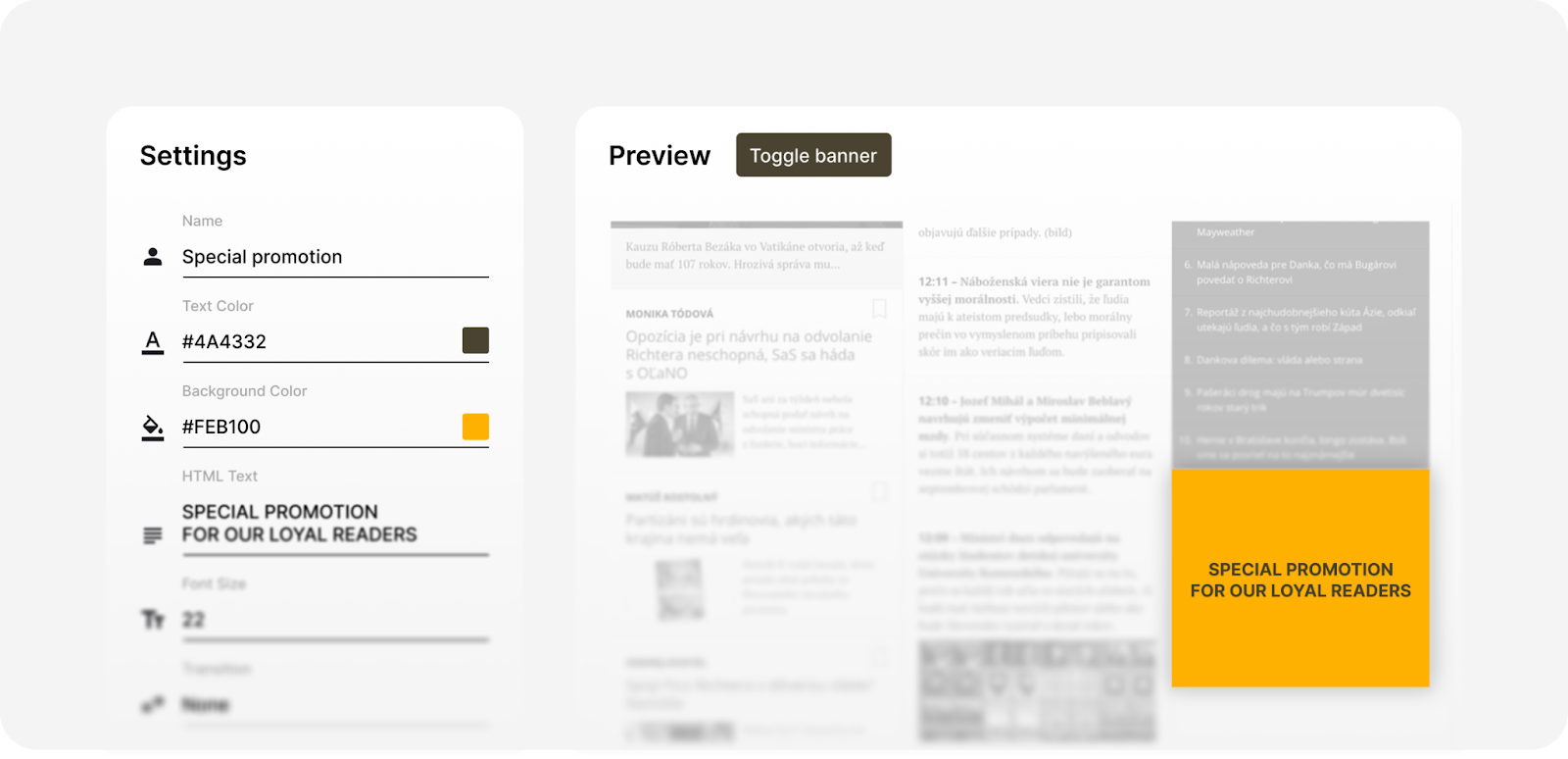
Instead of designing the same campaigns for everyone, audiences should be segmented by age, demographics, gender, and behavioral patterns. REMP helps publishers design and customize special campaigns for various audience segments and boost conversions. It could be special subscription deals or promotions available for a limited time.
For example, a website can have frequent visitors who keep coming back to read posts but are not ready to commit. A special 30% discount on annual subscriptions or a free 3-week trial can encourage readers to subscribe. REMP also helps publishers create tailored paywall content that resonates with readers and perform A/B testing of headlines or banners to determine which has the most significant impact.
3. Multi-factor personalization
Instead of following a one-size-fits-all approach, publishers can enjoy greater flexibility in the subscription experience. From onboarding and trial offers to retention strategy and paywalls, every step of the workflow can be personalized based on factors such as demography, user behaviour, propensity score, device type, content category, and more. For example, readers with a high propensity score may encounter hard paywalls or personalized offers to encourage faster subscription. On the other hand, ones with low propensity scores might get a softer nudge. Users can enjoy different levels of access through behavioral scoring.
If a reader is only interested in a particular author’s content, they might receive a special offer to unlock access to all the articles written by that author, rather than a comprehensive subscription to the site. This flexible approach helps publishers personalize their relationships with users, enhance engagement, and boost conversions.
4. Editorial Integration
REMP also helps the publishers customize the editorial workflow and even connect it with the paywall. For example, they can place premium content behind a hard paywall. They can also attract casual visitors by placing entertainment-based content behind a soft pawall. Publishers can also customise access by author, category, or special series, ensuring editorial priorities align with monetization goals.
5. Audience Segmentation
REMP ensures publishers do not depend on static mailing lists or engage in generic communication. The platform helps the publishers design a dynamic user segment based on their real-time behaviour. Segmentation is based on factors such as whether they are frequent visitors or subscribers. It could also be based on their interests, such as sports, culture, or content from particular authors. Through this platform, publishers can also track their audience’s subscription status, web traffic sources, and purchase history. REMP helps publishers convey the right message to the right kind of audience at the right time.
For example, if a reader is interested in sports, publishers might design and send special offers based on sports-related content.
6. Trigger-based offers
Based on real-time insights on user behaviour, REMP also allows publishers to send trigger-based offers. Instead of sending general subscription offers, it sends personalized offers that prompt the following actions. For example, if a reader shows no activity for a few days, they receive a message tailored to their interests that inspires them to come back. When the reader returns to the site after 7 days, they receive a welcome message with updated content and a personalized subscription offer.
7. Pricing experiments
Publishers can experiment with price points and bundle offers to determine what generates more conversions. They can compare monthly and annual offers to analyze which subscription package ensures better conversion rates. Based on user behaviour and interests, publishers can try out various subscription packages. For example, readers interested in business content might be open to premium subscription packages, while those interested in entertainment-related content might be more open to low-commitment trial offers.
8. Monetization Tiers
The publishers don’t have to stick to a strict subscription model. Based on the audience, they can design a monthly or yearly subscription. They can customize tiered access levels (basic, premium, or VIP) and test various offers, discounts, or time passes based on audience needs and the evolving market.
It primarily follows a cohort-based funnel configuration based on the stage of readers with various kinds of behaviour and requirements- new visitors, irregular readers, low intent readers, or those who are on the verge of converting. The ones with low intent generally have a frictionless journey with soft paywalls or newsletters, allowing them to sample the content before subscribing. On the other hand, the loyalists might receive stronger CTAs with a hard paywall.
Miran Pavic, CEO of Telegram, said, “What we’ve learned is the platforms that are used by the leading publishers are probably really good for publishers with huge teams, huge in-house resources, a lot of resources to pay for the top packages. This works if you’re The Economist. If you’re somewhat smaller, it was really hard for us to customize. We had to look for a solution that would allow us much more flexibility, faster adjustments, more customization and being able to respond to real-time data and feedback from the users and then in discussions with publishers, REMP was one of the names that was really frequently mentioned. And it offered 90% of the functionality of other payment solutions for a fraction of the price. But more importantly for us, it also helped us to customize and to build out many more things that we previously could not.”
9. Recurring Testing
Recurring Testing Frameworks allow the system to refresh itself based on the time frame you choose (30, 60, or 90 days). When a particular version appears to yield the best results, it automatically becomes the standard to follow. This ensures the paywall strategy remains effective over time. With Beam’s Conversion Intelligence, you can understand when users stop responding to the paywall design and take action to prevent conversions from dropping.
10. Editorial Monetization Models
While subscription is important, LTV is equally crucial for building a sustainable revenue strategy. While some specific content categories might not lead to easy conversions, they might attract LTV subscribers who stay longer. Instead of relying on sudden traffic spikes or quick clicks, marketers can invest more in content that delivers long-term value, since outcomes are predictable.
Getting started with the REMP Dashboard
Beyond generic analytics tools such as web traffic or clicks, the REMP dashboard serves as the single command centre for publishers, helping them convert data into strategy. This allows them to design a robust reader revenue strategy by identifying and focusing on the kind of content that engages the audience and what they are willing to support financially as loyal subscribers. The actionable insights from the dashboard help the editorial and marketing teams break down communication barriers and make aligned decisions that move them closer to their goals.
1. Audience Insights
The insights provided by the dashboard help the publishers understand their target audience and segment them into various groups- dedicated readers, casual visitors, and lost customers. Instead of relying on fleeting traffic, it helps them pinpoint readers’ engagement rates, identify which readers can be converted, and understand the reasons behind subscriber gains or losses. This also serves as a roadmap to help them address issues and streamline the funnel.
2. Engagement Metrics
The dashboard focuses on what users click, but also helps publishers spot the articles, authors, and categories that actually engage them and encourage them to spend more time on the site. Most importantly, it allows publishers to understand the actions readers take after reading a particular story.
3. Conversion attribution models
Beyond clicks or views, the conversion attribution model helps the team understand which content drives the most conversions or attracts high-LTV customers. They can also understand which author or content category prompted visitors to become subscribers or upgrade to an advanced plan so that they can invest more in the specific type of content.
By tracking conversions and audience segments, teams can lower Customer Acquisition Costs (CAC) and improve retention cohorts.
4. Churn indicators
There are several indicators of early subscriber churn, including short session duration, low engagement, low session depth, and incomplete onboarding. On the dashboard, these warning signs are clearly visible. The marketing team can take active steps, such as bringing back emails or offering special offers, to prevent churn.
5. Data-driven Performance and Experiment
While it provides the perfect editorial freedom journalists need, the dashboard also delivers weekly and daily automated reports that help them build a strong understanding of which of their news, articles, or reports are actually making an impact in readers’ minds and inspiring them to subscribe.
In addition to editorial performance, the dashboard also helps teams get a complete view of audience or funnel segment performance. Based on performance trends, editors and marketers can analyze what is showing effective results and what is failing without relying on the analytics team. Based on the result, they can keep experimenting to deliver the expected response.
6. Real-time Revenue Analysis
Unlike most analytics tools, the REMP dashboard integrates directly with the payment network. It lets publishers analyze revenue from pop-ups and banners, and compare which on-site elements generate the most revenue. It can also help them assess the performance of campaigns and other promotional activities. Instead of waiting for weekly reports, real-time insights help marketers see how the audience is responding to the paywall or campaigns and take the necessary actions without delay.
7. CTA, Paywall Design and A/B Testing
The CTA or paywall design affects a user’s subscription journey. The dashboard closely measures the impact of the CTA or paywall version in every format- be it banners, on-site pop-ups, or articles. This gives publications the freedom to test headlines and designs, and to compare click-through rates, gaining access to real-time results without waiting for campaign results or relying on speculation. If a specific prompt fails to deliver impressive conversions or sign-ups, publishers can adjust it without relying on programmers.
8. Structured Segmentation of Readers
The dashboard helps publishers form a strong understanding of the various kinds of audiences. Some readers read 20 articles in a week but are not subscribers. Trial users engage with exclusive content twice a week, while visitors who engage with ads ignore newsletters. The direct integration of the REMP dashboard with Beam enables publishers to segment their audience by various factors and run targeted campaigns directly from the dashboard.
Pricing
REMP adds value to both small and large publishers through its flexible pricing framework. Every publishing house has unique customization requirements based on its target audience.
As an open-source platform, REMP offers a budget-friendly option for publications. Without stringent SaaS contracts, organizations can easily customize the platform and only pay for the features they need. For example, if they need Beam but not CRM, they can opt for just Beam without paying for other features. This makes REMP a suitable option for publishers responsible for managing and scaling multiple brands.
Based on the capacity of DevOps resources, organizations must decide whether to host internally to gain greater autonomy and cost-effective options. On the other hand, managed hosting is suitable for teams that do not want to take on the technical burden of continuously monitoring updates, identifying issues, or managing security.
If a company lacks tech expertise and relies on the Fatchilli team for development, hosting, customization, and integration, it may incur additional charges. Small-scale publication houses begin by registering and gradually tap into the full potential of the REMP system as their revenue grows.
For example, a publisher may add a metered paywall for casual visitors. On the other hand, other publishers might seek a comprehensive option including newsletters, special promotions, or other offers. In both cases, the publishers will have a detailed discussion with the team and receive quotes tailored to their requirements, features, and project scope.
Florian Jungnikl-Gossy, Chief Product Officer of Falter, said, “We had [used] three or four different solutions. What is great about REMP is the pricing. It’s not the classic software-as-a-service approach where every year they say, “Oh, this year 10% more, next year 15%,” and then scrap two features that are central to your work because they think it is better for you. You cannot do anything because these lock-in effects are huge. This is the reason why we always liked the REMP open source approach, and because we’re a liberal company.”
Support
The FatChilli team digs deep into existing workflows, revenue targets, and specific pain points of publishers and offers end-to-end support every step of the way. Whether it is onboarding, migrating data from legacy systems, configuring modules, or walking through new interface features, it offers tailored support. Once REMP is running, the team provides robust training to both editorial and business teams to maximize the platform’s potential.
With support from the support team, editors learn how to delve into the dashboard to analyze content categories, view conversion and engagement metrics, segment audiences based on user behaviour, identify churn signals, and focus on revenue-generating content.
Marketers, on the other hand, learn to analyze subscriber behaviour, fine-tune paywall design, optimize conversion funnels, perform A/B testing, and experiment with trigger-based offers without developer support. Operation teams also get guidance on deploying the REMP system, integrating workflows across modules, or generating automated reports.
Support is available through email, live chat, and a ticket system. For customer emails, the team can help you with feature-level settings and send Loom recordings. For more strategic decisions, it is advisable to discuss on a call. In the event of critical issues, the support team provides prompt responses.
For example, SelfBuildi.e, Ireland’s leading home improvement magazine, was struggling with subscriber growth but lacked the technical expertise to manage the complexity of setting up REMP. The Fatchilli team analyzed their current setup and future goals and guided every step of the installation process. From integrating REMP modules and setting up payment gateways to importing existing mailing lists and designing a conversion-focused landing page for new subscribers, or designing a custom paywall solution, the support team handled all the tricky technical details. They also helped the SelfBuild.ie, team with hands-on workshops covering basic user management, advanced automation features, and more.
REMP in Review
Here is what we truly loved about REMP
- REMP is equally effective for both small-scale and top-tier publications. It is highly modular and customized at any scale.
- The Lemon Squeezy version is affordable as the publishers do not have to allocate funds for a separate tech team or third-party tools.
- It can integrate with both print and digital mediums.
- The newly introduced SaaS payment module makes it sustainable for publishers of all sizes.
- As an open-source platform, it gives publishers complete ownership of their data and the platform’s features.
- REMP does not require you to replace your existing system. It integrates seamlessly with your CMS and helps publishers choose the modules they need and upgrade the features they need.
- Publishers have the freedom to test various paywall strategies, including hard, metered, and dynamic paywalls.
Here are the areas of improvement
- Without the support of the Fatchilli team, setting up REMP is a complex process.
- The editorial team may need to undergo a detailed onboarding process to understand the intricacies of data modelling and audience segmentation to ensure effective targeting.
- Publishers might need to reach out to Fatchilli’s engineers for migration, installation, or customization of other features.
- While the dashboard’s user interface is functional for building a sustainable reader revenue management system, it can be refined to meet advanced needs better.
- REMP lacks an integrated native predictive analytics tool. Therefore, for advanced forecasting or propensity modeling, they might need to rely on open source models or other analytics platforms.
Final Thoughts
REMP is a powerful reader revenue system that creates a strategic shift in the publishing approach with its flexible features and serves as a long-term strategic asset. Going beyond surface-level metrics, it aligns data, content strategy and reader revenue generation. Through a unified structure, it brings together audience segmentation, automation, subscriptions, and attribution, helping advanced teams make smart decisions and build a robust reader revenue strategy that keeps them ahead of the curve. As the market keeps evolving and the organizational goals keep changing, teams can customize the platform according to their unique workflows, a strategic advantage that is not available in SaaS platforms.
As an open-source platform, it helps teams take full ownership of their data, customize features to their needs, cut costs, manage multiple brands seamlessly, eliminate the limitations of a fixed vendor, innovate, and ensure transparency.
REMP can be considered for its scalability, future-ready vision, and open-source approach. It is perfect for independent publishers who want to expand their readership affordably, safeguard editorial freedom, and create a sustainable revenue strategy. While the learning curve can be steep, it can be the perfect strategic partner for leading publishers who want to break free from the limitations of SaaS software and tools while leveraging data accuracy, agility, operational efficiency, a flexible system, and a sustainable subscription engine to gain a competitive edge.