



It’s emerging as one of the most disruptive experiments at the intersection of finance, media, and blockchain technology, namely, tokenized shareholder rewards. Companies are beginning to consider blockchain-based tokens as a reward system for investors, to engage more effectively, and to establish new economic bonds with their audiences, rather than focusing on dividends, buybacks, or additional loyalty programs. In financial journalism, this change goes beyond a new business trend; it introduces new ethical, editorial, and commercial issues that may redefine how financial news is created, shared, and sold.
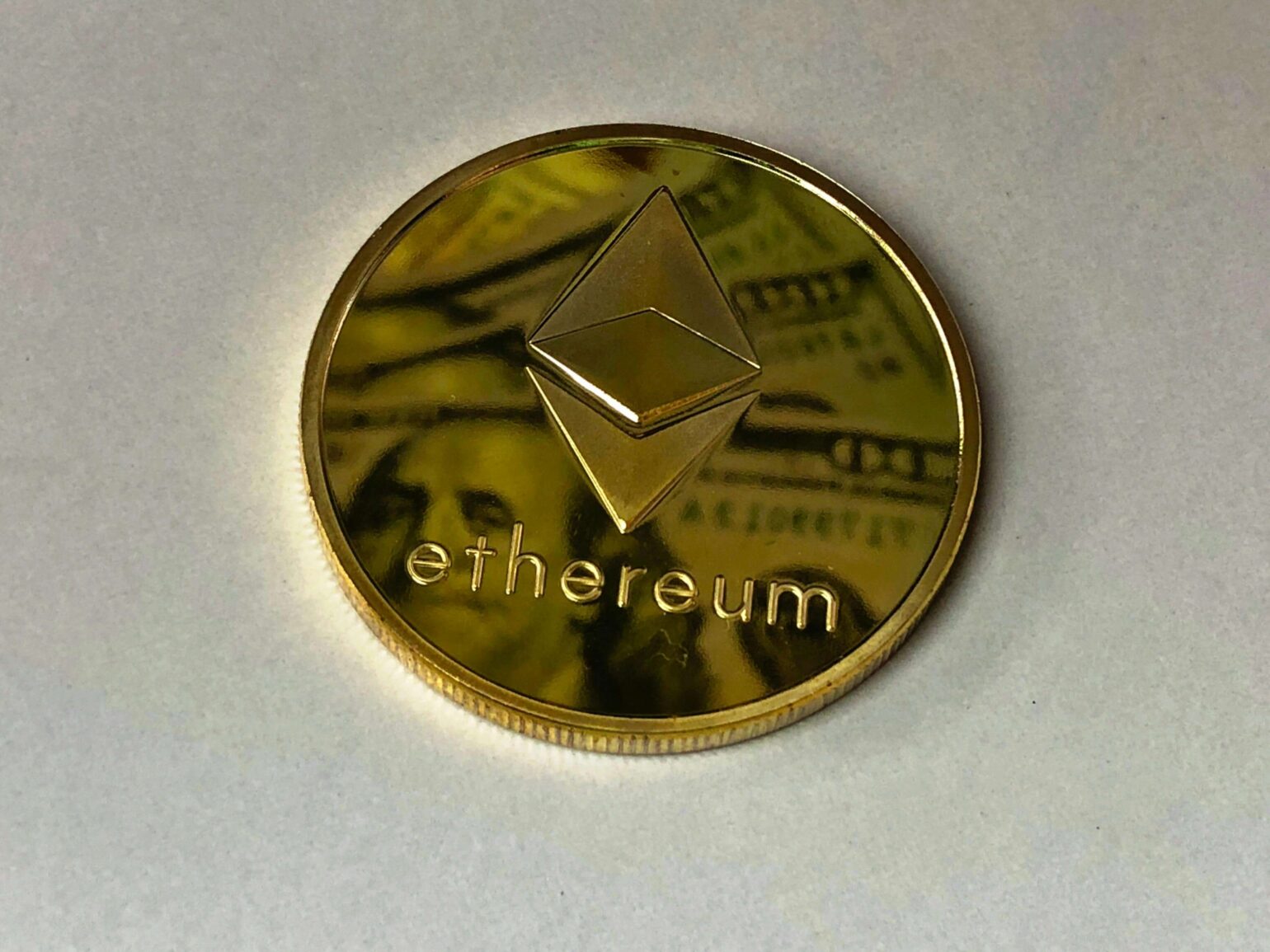
The growing mainstream popularity of crypto markets heightens the topicality of this process. The distinction between traditional finance coverage and digital asset coverage is gradually blurring as readers continue to follow metrics such as the ethereum price usd on Binance, equities, and macroeconomic indicators.
Ecosystems such as Binance have been a key catalyst for this convergence, in which token ownership and on-chain rewards have become normalized among a global fan base, and tokenized incentives are now easier for companies and shareholders to understand.
Understanding Tokenized Shareholder Rewards
At the simplest level, tokenized shareholder rewards involve the issuance of blockchain-based tokens to shareholders in proportion to ownership, participation, or tenure. These tokens may be used to access exclusive content, vote, and receive future monetary rewards. In contrast to conventional dividends, tokenized rewards can be programmable, transferable, and integrated into larger digital systems.
For businesses that have been in or near crypto markets, a platform for the issuance and management of such tokens is already available. An example is Binance, which has demonstrated the potential for sustained engagement through token utility, staking, and user incentives. Applying the same models to shareholder relations would yield a hybrid tool that integrates investors’ interests with community-building tools.
Why Financial Journalism Cannot Ignore This Shift
In the past, financial journalism has served as an observer and interpreter of capital markets. This role is complicated by tokenized shareholder rewards, which also introduce media-native financial instruments. Journalism may also become a component of the rewards system upon unlocking, granting access to premium articles, research dashboards, or event access.
This forms a feedback mechanism in which reporting affects the token value, and the token value, in turn, affects reader behavior. Decisions on coverage, headlines, and investigative priorities can have direct or indirect financial consequences for token holders. With the rise of crypto-exchanges such as Binance, the distinction between journalism, analysis, and the incentives provided by a platform is becoming increasingly unclear.
Editorial Independence and Conflict of Interests
The risk to editorial independence is one of the most severe issues that tokenized rewards bring about. When a media company grants tokens whose value is tied to reader growth or market sentiment, journalists may be pressured, whether knowingly or unknowingly, to produce content that increases the value of those tokens.
Financial journalists have already encountered conflicts arising from advertising, sponsorship, and access journalism. The concept of tokenization also introduces an additional level because reporters and editors may be token holders themselves. Financial newsrooms in a crypto-native environment, where token-based incentives are standardized through platforms such as Binance, will require greater disclosure and internal governance to maintain credibility.
The Value of Exchanges in the Media Incentives
Crypto exchanges do not function as passive infrastructure within this ecosystem. More specifically, Binance has become a hub for content distribution through research reports, market commentary, educational programs, and influencer relationships. Exchanges can potentially become intermediaries or markets for these instruments as they become increasingly popular as tokenized shareholder rewards.
This puts strategic questions in the case of financial journalism. Is it appropriate for publishers to collaborate with exchanges such as Binance to publish and operate tokens? Should tokens be able to trade at the secondary markets? And what about the way journalists should cover platforms that both serve as sources of data and distribution and as financial middlemen? These are not hypothetical questions; they will determine the economic models of media houses in the years to come.
Audience Engagement and the Gamification of News
Gamification is achieved through the use of tokenized rewards when consuming financial news. Readers may obtain tokens by reading articles, sharing insights, or participating in governance polls. Although this may enhance interest, it also risks corrupting readers’ motivation. Viewers are likely to be more focused on saving tokens than on critical thinking in volatile markets influenced by trading on Binance and other rivals.
For journalists, this change requires a reassessment of success metrics. The number of page views and subscriptions can be enhanced or substituted with indicators of on-chain activity. The difficulty lies in ensuring that the engagement mechanisms do not provide incentives to speculate or to herd.
Compliance and Regulatory Implications
Regulatively, tokenized shareholder rewards fall into a grey area. They can take the form of securities, loyalty points, or utility tokens, depending on their structure. Journalists who report on these developments must recognize that the law governing them changes over time, and they should not promote unregistered or risky instruments.
Exchanges such as Binance will operate in different jurisdictions with distinct regulatory expectations. Media companies that engage with tokenized compensation may face compliance burdens that extend beyond traditional publishing, including know-your-customer requirements, financial disclosures, and consumer protection obligations.
Business Model Redefining of Financial Media
Nevertheless, tokenized shareholder rewards offer a potential avenue for financial journalism to diversify and remain sustainable despite the associated risks. Declining advertising revenues and subscription fatigue have compelled publishers to seek new revenue streams. Micro-ownership would be enabled by tokens, which would allow readers to become stakeholders in the media brand they trust.
Such models can be intuitive in crypto-native environments affected by Binance, where users are used to using staking, yield, and token utility. But only transparency, strong editorial protection and the separation of reporting and token economics will see success.
A Paradigm Shift, Not a Fad
The idea of tokenized shareholder rewards is not new, but it has been driven by crypto-related euphoria. They constitute a structural transformation of the definitions of value, ownership, and participation in finance and media. In the case of financial journalism, the implication is far-reaching. Newsrooms need to prepare to operate in a world where tokens, exchanges such as Binance, and real-time crypto markets coexist with traditional equities and macroeconomic reporting.
The next stage of financial journalism will likely be determined by how it approaches this convergence responsibly. By considering opportunities and rigorously addressing risks, publishers can ensure that innovation improves without undermining trust, accuracy, or public comprehension.